Kasanka Bat Migration in Zambia’s Wild Heart
 By
By 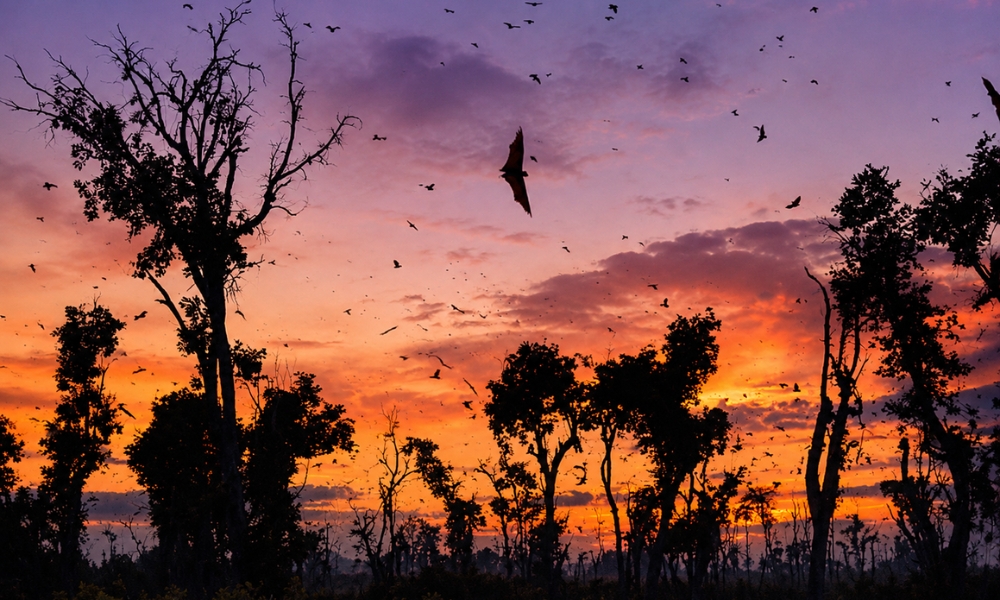 Kasanka Bat Migration
When people think about great wildlife migration events, they usually picture wildebeest charging across the Serengeti or zebras stretching across the African plains. Those scenes deserve their reputation. But here’s the thing: the largest mammal migration on Earth isn’t happening on the ground.
It’s happening in the skies.
Hidden deep within Zambia, a remarkable event unfolds every year that even seasoned safari travelers often overlook. The Kasanka Bat Migration brings more than 10 million straw-colored fruit bats into a small patch of swamp forest, creating one of the most extraordinary natural spectacles anywhere in the world.
For travelers searching for authentic hidden travel gems, this experience belongs near the very top of the list.
Why the Kasanka Bat Migration Is So Special
The Kasanka Bat Migration takes place in Kasanka National Park, a relatively small protected area in central Zambia. On a map, it doesn’t look particularly impressive. In reality, it hosts one of nature’s greatest gatherings.
Each year, millions of fruit bats travel from the Congo Basin to Kasanka’s evergreen swamp forest. The migration follows seasonal fruit availability, with the bats arriving to feed on waterberries, wild loquats, and other fruiting trees that become abundant during this period.
The scale is difficult to comprehend until you witness it. One moment, the forest appears calm. Then, as the light begins to fade, the sky slowly fills with movement. Within minutes, millions of wings create dark swirling patterns stretching across the horizon.
It’s not just something you see. You hear it too. A constant hum fills the air. The sound of countless wings combines into a deep vibration that feels almost unreal.
The Best Time to Visit
Timing matters. The best time to see the Kasanka bat migration Zambia offers is between late October and mid-December. November is generally considered the peak viewing period when the bat population reaches its highest concentration.
Early mornings and late afternoons deliver the most dramatic scenes. At dawn, the bats return to the forest after a night of feeding. At dusk, they launch into the sky in enormous waves. Both experiences are unforgettable.
Weather conditions also tend to enhance the atmosphere. Warm temperatures, rich forest scents, and dramatic African sunsets create a setting that feels straight out of the best nature documentaries. Except this time, you’re standing inside the scene.
What the Experience Actually Feels Like
Many African safaris focus on game drives and spotting individual animals. Kasanka offers something completely different.
This isn’t about checking species off a list.
It’s about immersion. Visitors often watch from elevated wooden platforms positioned above the forest canopy. From these viewpoints, the entire landscape unfolds in front of you. The forest stretches endlessly while millions of bats stream overhead.
The air carries the scent of damp woodland and ripe fruit. Birds circle above the canopy. Predatory eagles patrol the skies looking for opportunities among the moving masses. Every direction feels alive.
Even better, the crowds remain surprisingly small compared to more famous safari destinations. While many wildlife experiences now attract long lines of vehicles, Kasanka still feels wild, remote, and wonderfully untouched.
That’s increasingly rare.
Why More Travelers Are Discovering This Hidden Wonder
Interest in eco tourism continues to grow as travelers look for experiences that feel genuine rather than staged. The Millions of fruit bats migration delivers exactly that. The event plays a critical ecological role by dispersing seeds across vast regions of Central Africa. Without these bats, many forest ecosystems would struggle to regenerate naturally.
What makes Kasanka especially valuable is that tourism here directly supports conservation efforts while maintaining a low environmental footprint. For travelers who want meaningful encounters with nature, that matters.
The migration also challenges common assumptions about bats. Instead of focusing on myths or misconceptions, visitors witness these animals performing one of the most important ecological functions in the region.
Quick Tips for Visiting Kasanka National Park
Before planning your trip, keep these essentials in mind:
- Visit during November for peak migration activity.
- Book accommodation months in advance.
- Bring binoculars for detailed viewing.
- Pack a camera suited for low-light photography.
- Carry lightweight neutral-colored clothing.
- Prepare for early morning and evening excursions.
- Stay inside the park whenever possible for the best access.
- Allow extra travel time from Lusaka.
Good preparation makes a big difference.
Wildlife migration
Planning the Journey
Reaching Kasanka requires a bit more effort than visiting mainstream safari destinations. Most travelers begin in Lusaka before continuing by road or charter flight to the park. The journey itself becomes part of the adventure, taking visitors through rural Zambia and landscapes that many international tourists never experience.
That’s part of the appeal.
Unlike highly commercialized safari circuits, Kasanka rewards curiosity and patience. The travelers who make the effort often leave feeling like they’ve discovered something truly special.
Conclusion
The Kasanka Bat Migration proves that some of the world’s greatest wildlife experiences still exist far from the spotlight. While famous migrations continue to attract global attention, this remarkable gathering remains one of Africa’s most overlooked natural wonders. Watching millions of bats rise above the forest canopy as the sun sets over Zambia creates a memory that stays with you long after the trip ends. For anyone seeking authentic hidden wildlife spectacles in Africa to visit, the Kasanka Bat Migration offers something increasingly rare: a front-row seat to one of Earth’s greatest natural events without the crowds, noise, or commercialization that often accompany famous wildlife destinations.