Finding Authentic Dragon Well With Longjing Tea Travel
 By
By 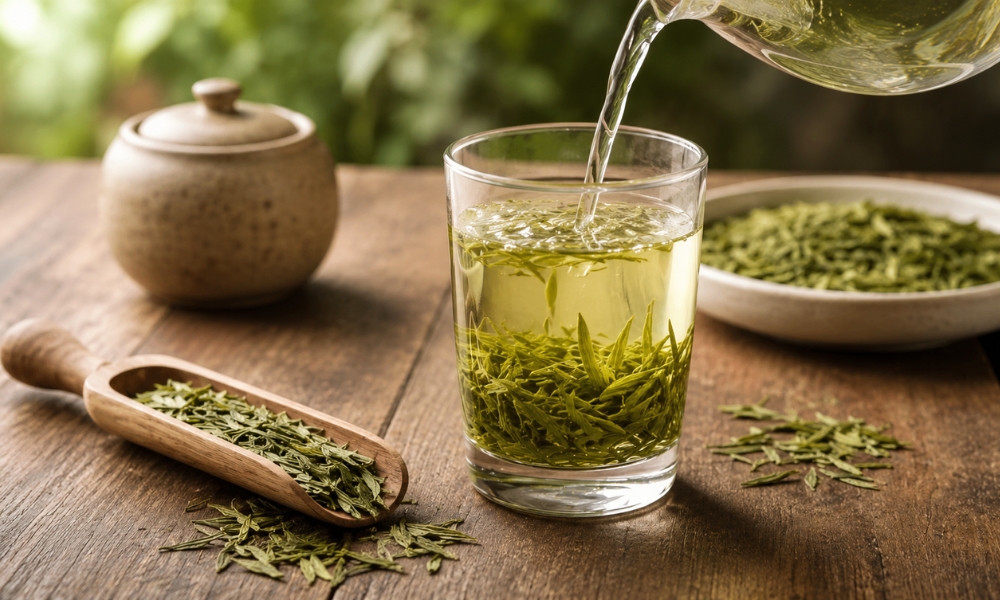 Longjing Tea Travel
Longjing Tea Travel starts before the first sip.
It begins on the road out of central Hangzhou, when the city noise thins out and the hills start folding around you. The air turns softer. Tea bushes line the slopes in tidy green waves. Somewhere nearby, leaves are being roasted, and you catch that warm, nutty smell that feels almost like toasted chestnuts.
If you’re on the hunt for China’s most famous green tea, this is where the story gets real. Hangzhou Dragon Well tea is not just another Chinese green tea. It’s history, craft, status, and taste packed into one pale jade cup. For travelers who plan trips around food, markets, farms, and local rituals, this is one of the best culinary travel destinations for tea lovers in China.
Why Longjing Matters So Much
Longjing, also known as Dragon Well tea, carries a reputation that few drinks can match. It grew from the hills around West Lake into one of China’s most admired teas. Over time, it became linked with imperial taste, careful craftsmanship, and the kind of green tea culture that still shapes daily life in Hangzhou. Here’s the catch. Not every tin labeled Longjing gives you the real thing.
Authentic West Lake Longjing depends on origin, season, leaf quality, and traditional tea processing. The famous taste comes from more than branding. It comes from where the tea grows, when workers pluck it, and how artisans finish it by hand. Authentic West Lake Longjing is tied closely to origin, timing, and processing, not just the name printed on a package.
Longjing Tea Travel Takes You to the Source
The best part of Longjing Tea Travel is leaving the polished shop displays behind. Head toward tea villages such as Longjing, Meijiawu, or Longwu, and the experience changes completely. You’ll hear low conversations from tea houses, the scrape of leaves in hot pans, and the quiet rustle of pickers moving through rows of bushes during harvest season.
This is where tea tourism in China feels less like sightseeing and more like stepping into someone’s working life. The slopes are beautiful, yes. But the real pull is watching how much effort sits behind one cup. Premium loose tea harvesting often means selecting tender young buds at just the right moment. During the prized spring harvest, timing can change everything.
 Chinese green tea
The Smell of Pan-Fired Green Tea
Longjing is a pan-fired green tea, and that makes the experience wonderfully sensory. Fresh leaves don’t simply dry on their own. Skilled roasters work them in heated pans, pressing and tossing them until they flatten into their signature smooth, narrow shape. The room fills with a roasted, slightly sweet fragrance that clings to your clothes.
It doesn’t smell like a regular tea bag. It smells warmer. Fresher. More alive.
That traditional tea processing is what gives Longjing its clean body, soft sweetness, and gentle nutty finish. A good cup should not taste harsh or grassy. It should feel smooth, almost silky, with a quiet roasted note that keeps coming back.
How to Find the Real Thing
If you’re wondering how to find authentic Dragon Well tea in Hangzhou, start with location. Avoid buying your main tea from random tourist stalls in the city center. They may be fine for souvenirs, but serious loose-leaf tea travel needs a better plan. Go closer to the growing areas. Visit farms. Ask for tastings. Watch the processing if you can.
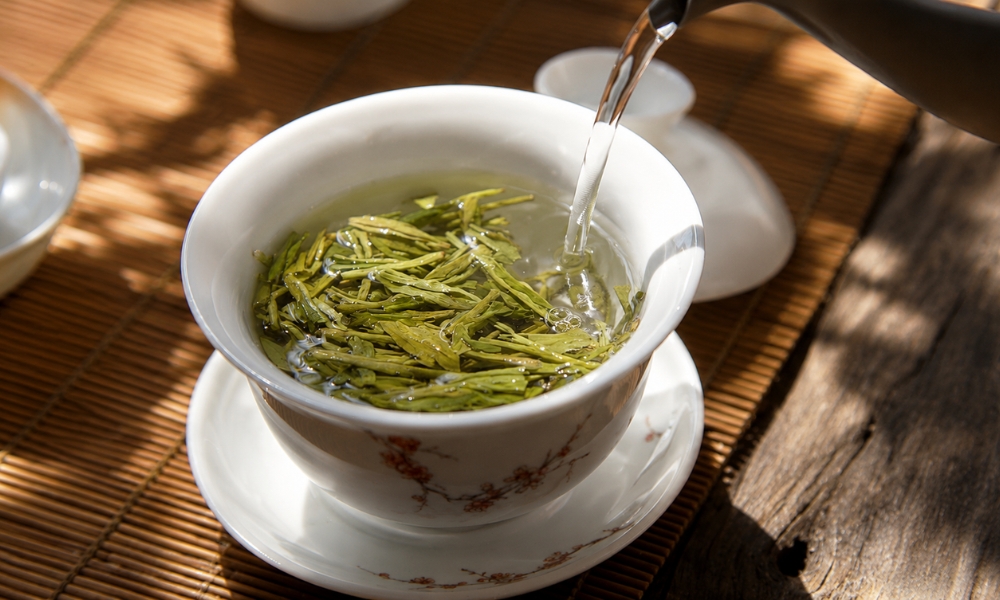
Tea tasting tours can help because they take you into famous tea regions without leaving you guessing at every shop door. A good tasting will let you smell the dry leaves, watch how they open in water, and compare grades side by side.
Even better, request tea served in clear glass. Good leaves should look clean, flat, and lively. In the cup, the brew should stay pale, not muddy. The aroma should feel fresh and roasted, not stale or perfume-like.
Quick Tips for Tea Lovers
- Visit during spring if you care about harvest energy.
- Go to tea villages instead of only downtown shops.
- Ask whether the tea is West Lake Longjing or another Longjing style.
- Taste before buying expensive organic loose leaf tea.
- Carry cash because smaller farms may not accept every payment method.
- Pack light shoes for walking through hillside paths.
- Avoid overbuying on the first stop.
- Keep tea sealed, cool, and away from strong smells.
A little patience saves you from tourist-trap tea.
The Ceremony Is Part of the Trip
A Chinese tea ceremony around Longjing is not dramatic in the loud sense. It’s slower. More careful.
Hot water slides into the glass. The leaves wake up, drift, and settle. The first aroma rises before the taste even arrives. You notice the color, the steam, the small pause before people speak again.
That pause is the point. Culinary travel in Asia often gets framed around bold street food, crowded markets, and intense flavors. Longjing offers the opposite pleasure. It asks you to slow down enough to taste something delicate. And honestly, that can feel just as memorable.
Conclusion
Longjing Tea Travel is worth planning because it gives you more than a famous drink. It gives you Hangzhou through smell, touch, timing, and craft. You see the green hills, hear the roasting pans, taste the soft chestnut notes, and understand why this Chinese imperial tribute tea still carries so much weight. The smartest way to experience it is to go straight to the source, choose real tea villages over rushed souvenir stops, and let the tasting teach you. By the end, you’re not just buying premium loose tea. You’re carrying home a small piece of Chinese tea culture, shaped by hillsides, hands, heat, and patience.