Modern Italian Gelato History for Food Travelers
 By
By 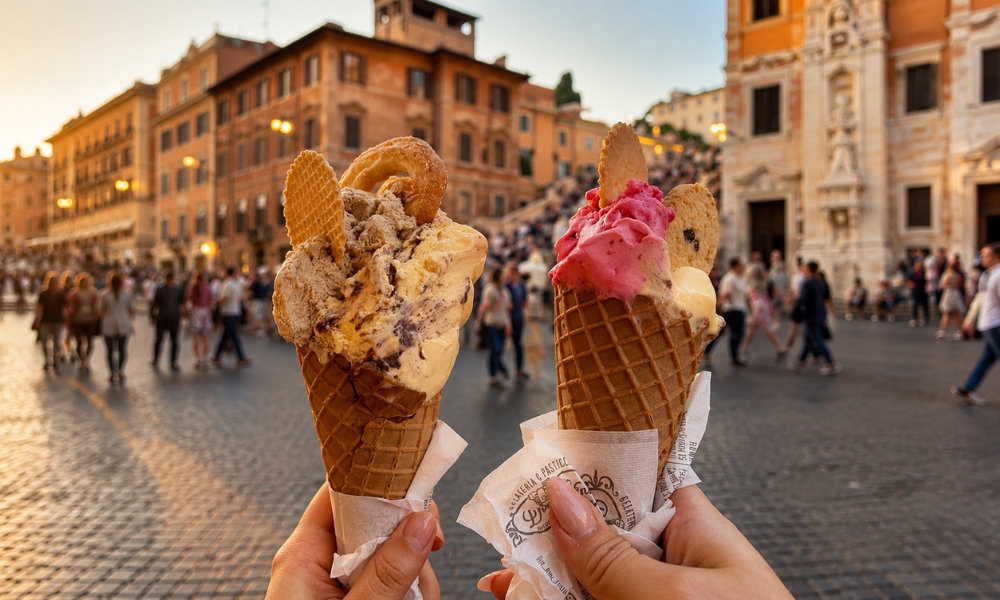 Modern Italian gelato
Modern Italian gelato feels like it belongs completely to Italy. Picture a sunny piazza, a paper cup of pistachio and stracciatella, the soft scrape of a spatula across a chilled tub, and that first cold bite that tastes richer than ice cream but somehow cleaner too.
But here’s the catch.
The story of modern Italian gelato is not only about old recipes and Tuscan charm. It also includes American machinery, post-war refrigeration, and the kind of practical technology that changed how gelato could be made, stored, and shared beyond one neighborhood.
Before Modern Italian Gelato Became Smooth
Before refrigeration transformed production, Italian gelato history was more fragile. Gelato was made in smaller batches using ice, salt, hand-cranked equipment, and a lot of timing. That meant texture could vary. Storage was limited. Distribution was difficult. The gelato had to be eaten quickly because the cold chain was not what travelers know today.
Still, the charm was there. Traditional gelatieri understood milk, sugar, fruit, nuts, chocolate, and balance. What they didn’t yet have was the technology to control temperature with the precision needed for wider consistency. That changed after World War II.
The US Tech Influence That Changed Gelato
Modern Italian gelato took a major step forward when American refrigeration and ice cream machinery entered Italy’s post-war landscape. The technology did not replace Italian craft. It gave that craft a stronger engine.
One well-known example comes from Sammontana’s history. The Italian brand traces its roots to a dairy bought by Romeo Bagnoli in 1946, which later grew into one of Italy’s major gelato names. Sammontana’s own company history describes a story built on business courage, innovation, manufacturing technology, and changing consumer tastes.
The more surprising detail is where some early mechanization came from.
A brand-history account notes that the first mechanization of Sammontana’s production happened when the Bagnoli brothers found ice-cream production machinery justify by the US Army in a scrap-metal warehouse in Genoa. That’s the hidden history behind modern Italian gelato machines. Not romantic, maybe. But very important.
 Italian gelato history
Why Refrigeration Changed Everything
Italian gelato refrigeration technology changed the texture, scale, and reliability of gelato making. Better cooling allowed makers to freeze mixtures more evenly and manage temperature more carefully.
That matters because gelato lives or dies by texture. Too much ice crystal, and the magic disappears. Too much air, and it starts drifting toward regular ice cream. Too warm, and it collapses. Too hard, and it loses that soft, glossy scoopability travelers love.
Modern gelato origins sit in that balance between recipe and machine. The milk, nuts, chocolate, fruit, and sugar still matter deeply. But so does the way the mixture chills, churns, rests, and holds. This is how US tech changed gelato without making it less Italian.
From Local Treat to Travel Trend
Once refrigeration improved, gelato could move beyond the “eat it right now” model. Shops could produce more consistently. Brands could expand. Travelers could find reliable gelato in more places. Sammontana says it is now Italy’s largest gelato company and a leader in the frozen desserts sector in the country.
That growth reflects a broader food history trend. Italian food culture often looks timeless from the outside, but it has always adapted. Pasta machines, espresso machines, pizza ovens, refrigeration, packaging, and transport all shaped how “traditional” foods reached modern travelers.
Gelato tech innovation belongs in that same story. The scent inside a good gelateria still feels old-school: toasted hazelnut, vanilla, coffee, warm cones, and maybe a sharp hit of lemon sorbet. But behind the counter, modern gelato machinery history is doing quiet work.
What Travelers Should Look For
When tasting modern Italian gelato, don’t only chase the prettiest display. Look for quality cues that suggest skill and control.
- Choose natural colors over neon shades.
- Look for covered tubs or chilled pozzetti when possible.
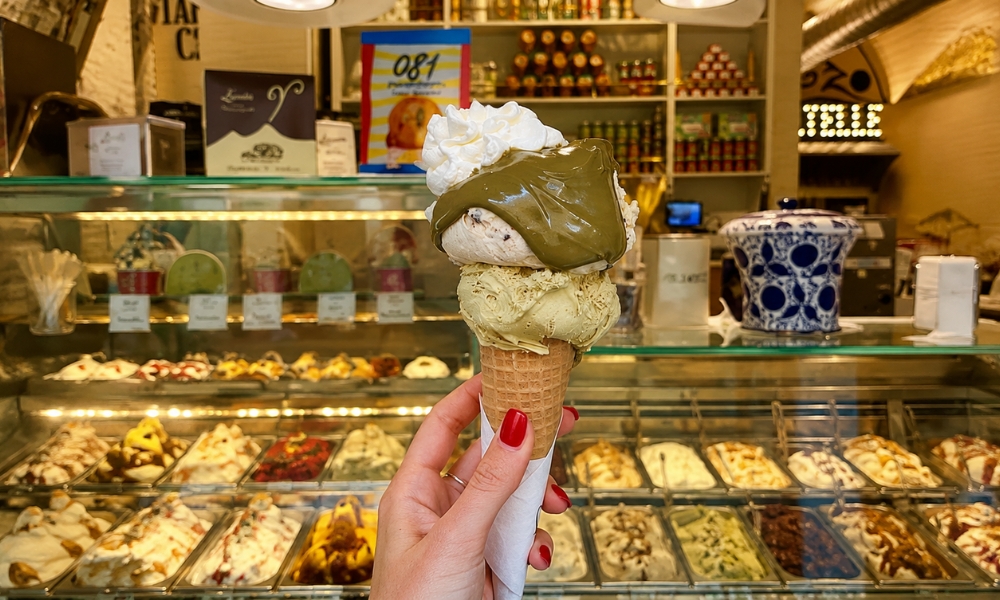
- Expect pistachio to look muted, not bright green.
- Try seasonal fruit flavors in warmer months.
- Notice texture: smooth, dense, not icy or foamy.
- Avoid towering piles that sit too high above the freezer line.
- Ask for local specialties, not only familiar flavors.
These tips help separate real artisanal gelato trends from tourist-window theater.
Craft Still Leads the Experience
The evolution of gelato making did not erase the human side. The best gelato still depends on recipe judgment, ingredient quality, timing, and taste memory. Machines can control cold. They cannot decide how roasted a hazelnut should be, how much bitterness a dark chocolate needs, or whether a lemon sorbet should feel sharp or soft.
That is where Italian skill stays central. US technology impact on gelato helped stabilize the process. Italian craft made it worth eating. Together, they created a culinary hybrid that travelers now treat as pure Italy.
Why This Story Matters for Food Travel
Modern Italian gelato is a perfect travel trend because it reveals something bigger: food traditions are rarely frozen in time. They absorb tools, trade routes, wars, migration, business ideas, and new customer habits.
A cone in Florence or Rome may look simple. But behind it sits culinary history, US innovation in Italian food, post-war recovery, refrigeration, and decades of experimentation. That makes the next scoop more interesting.
Conclusion
Modern Italian gelato became what travelers love today because Italian craftsmanship met practical technology at exactly the right moment. American refrigeration equipment and post-war machinery helped gelato makers improve consistency, texture, storage, and scale, while Italian gelatieri kept the focus on flavor, density, and balance. The result is not less traditional. It is tradition made more durable. So next time you’re standing outside a gelateria with cold pistachio melting down the edge of a cone, remember that the taste belongs to Italy, but the smooth modern experience owes part of its story to US tech.