Why Tokyo Continues to Lead the World in Food Culture
 By
By 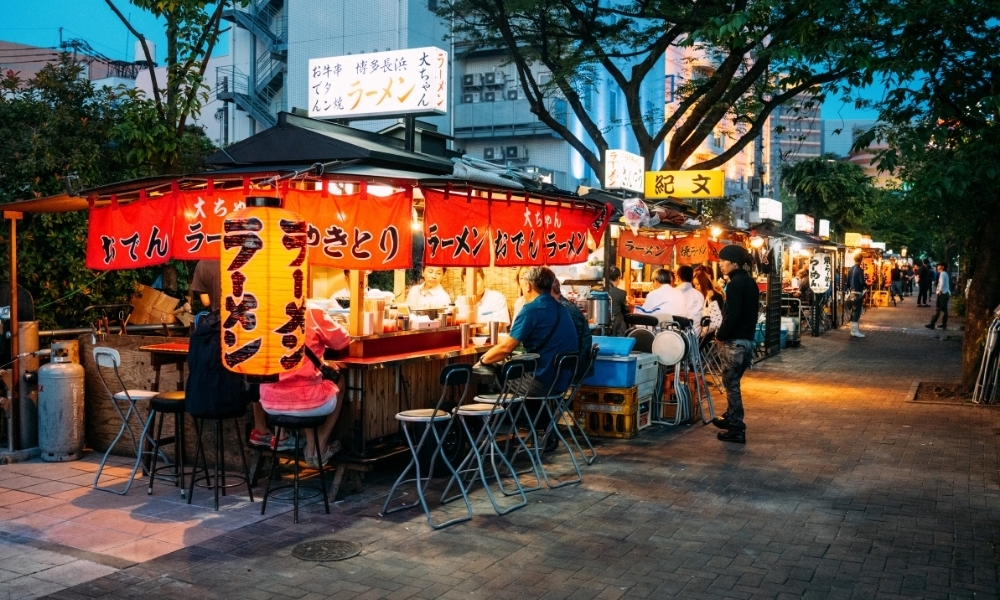 Tokyo food travel
If you travel for food, Tokyo doesn’t just meet expectations, it quietly resets them. Many cities claim to be great for dining, but Tokyo operates on a completely different level. In 2026, that difference has become even more obvious. While other global destinations refine trends or repackage tradition, Tokyo continues to focus on something simpler and harder to copy: doing things properly, every single time.
Here, food isn’t entertainment or luxury alone. It’s a daily craft. And that’s what makes eating in Tokyo unforgettable, whether you’re sitting at a formal counter or standing outside a tiny shop with a paper bowl in your hands.
Quality Is Not Reserved for Special Occasions
One of the first things you notice in Tokyo is how little hierarchy exists between “everyday food” and “special food.” A noodle shop serving lunch to office workers takes its broth as seriously as a fine dining restaurant prepares its tasting menu. That mindset shapes the entire city.
Tokyo, Japan, has more Michelin-starred restaurants than any other city, but the real story is what happens outside those stars. Meals under $15 regularly deliver balance, depth, and precision that would qualify as standout dishes elsewhere. You don’t need to hunt for excellence here; it’s the baseline.
Tradition and Innovation Share the Same Table
Tokyo never feels stuck in the past, but it also never abandons it. In 2026, you see that balance everywhere. New dining districts rise near major stations with sleek interiors and global influences, while older neighborhoods continue serving dishes unchanged for decades.
You might spend lunch in a modern high-rise restaurant overlooking the city, then walk ten minutes to a street where a second-generation owner grills eel the same way their parent did. That contrast is natural here. Tokyo doesn’t force novelty. It lets it grow where it makes sense.
Dessert Finally Gets the Attention It Deserves
Another shift you’ll notice is how desserts are treated. In Tokyo, sweets are no longer an afterthought or a quick ending to a meal. They’re given space and respect.
Dessert-focused counters now offer structured tastings built around fruit, texture, and temperature. Instead of heavy sugar, the emphasis is on restraint. A strawberry might be presented three different ways, each highlighting a different quality. It feels intentional, not indulgent, and very much in line with how Tokyo approaches food overall.
Food Festivals That Feel Local
Tokyo’s food festivals remain one of the best ways to understand how people actually eat. These aren’t events staged for visitors. Locals show up in large numbers, lining up patiently and debating favorites.
From dumpling-focused gatherings to spice-driven showcases reflecting Tokyo’s growing love for bold flavors, these festivals offer variety without chaos. Compared to seasonal food events in places like the Amalfi Coast off-peak or Lake Como Italy, Tokyo’s feel more grounded and less performative.
 best food cities in the world
Sustainability Without the Sales Pitch
In Tokyo, sustainability isn’t a buzzword. It’s quiet practice. Chefs use what is available, adapt menus daily, and waste as little as possible. Fish is broken down completely. Vegetables that don’t look perfect still make it onto plates.
This approach doesn’t feel trendy or forced. It feels like common sense, and it’s one reason Tokyo continues to stay ahead without trying to lead.
The Convenience Store Experience Still Surprises
Even seasoned travelers underestimate Tokyo’s convenience stores. In 2026, they remain one of the city’s most reliable food stops. Meals are thoughtfully designed, flavors are consistent, and quality control is tight.
You’ll find rice balls with carefully seasoned fillings, balanced bento boxes, and seasonal desserts that would pass in a café elsewhere. It’s fast food, but it never feels careless.
How Tokyo Stands Apart from Other Destinations
There are plenty of incredible food destinations. Marbella, Spain, excels in coastal dining. Big Sky, Montana, offers thoughtful farm-driven meals. Okinawa beach resorts bring regional depth. But Tokyo stands apart because of scale and consistency. No matter where you walk, the odds are high that your next meal will be memorable.
Planning a Food-Focused Trip
To get the most out of Tokyo:
- Plan a few reservations, but leave room for wandering
- Don’t skip small places with limited seating
- Carry cash for traditional shops
- Eat slowly and pay attention; the details matter here
Conclusion
Tokyo doesn’t overwhelm you with spectacle. It wins you over quietly, through repetition, care, and discipline. Meal after meal, it shows you what happens when an entire city takes food seriously. If eating is central to how you travel, Tokyo isn’t just a destination. It’s the standard you’ll measure everything else against.