Top Destinations to Visit in 2026 Around the World
 By
By Widespread Roman History
If you’ve ever landed somewhere popular and felt like you were sharing the view with a thousand camera lenses, you already know the problem: the world has no shortage of great places, but not every “hot” destination feels good to travel right now. For 2026, it helps to think a little differently. You’re not just looking for a pretty backdrop; you’re looking for places that welcome visitors in a way that supports local communities, protects what makes the destination special, and still gives you that genuine “I’m glad I came” feeling.
This list spotlights a set of standout picks for 2026, drawn from BBC travel journalists’ recommendations. They’re the kind of trips that feel rewarding without needing to be chaotic, and they work well whether you’re planning with classic guides or testing Gen AI trip planning tools to map routes, hotels, and day-by-day pacing. Consider these as top winter destinations and year-round ideas, depending on when you’re booking and what kind of travel rhythm you want.
Abu Dhabi, UAE
Abu Dhabi is having one of those years where the city feels like it’s stepping into a new chapter. You’re looking at a wave of cultural development anchored in the Saadiyat Cultural District, with major museum-style experiences and new openings driving the momentum. If you like travel that mixes modern design with national history and big public spaces, Abu Dhabi in 2026 is built for you.
Beyond galleries and exhibits, the city is also doubling down on entertainment tourism on Yas Island, with expansions planned across theme parks and water attractions. This is a destination where you can do a polished museum morning and a high-energy afternoon without crossing the city five times.
Algeria
If you love Roman history but hate the queues, Algeria is the kind of place that makes you wonder why it isn’t discussed more often. You get grand ruins, sweeping desert landscapes, and historic cities shaped by layered influences. A key point for 2026 is that access is improving for certain travelers, including changes that make arrival easier for people on organized tours.
Start in Algiers for a coastal capital atmosphere, then consider Constantine for its UNESCO-recognized heritage. And when you’re ready for the real scale of the country, the Sahara opens up through hubs like Djanet. This is not “tick-box tourism.” It’s the type of trip where you slow down and let the place do the talking.
Colchagua Valley, Chile
Colchagua Valley is a smart pick if you want a food-and-wine trip that still feels grounded. You’re a couple of hours south of Santiago, and the drive becomes part of the experience: vineyard estates, countryside towns, and a strong local identity that’s not built around rushing visitors through tastings.
You can plan a route that includes established wineries and food-focused stops, including vineyards where meals are designed around fire and local ingredients. But what makes the valley really work is variety: rodeo culture, markets in towns like Santa Cruz and Lolol, and even stargazing options that give your evenings something more than “another glass of red.”
Cook Islands
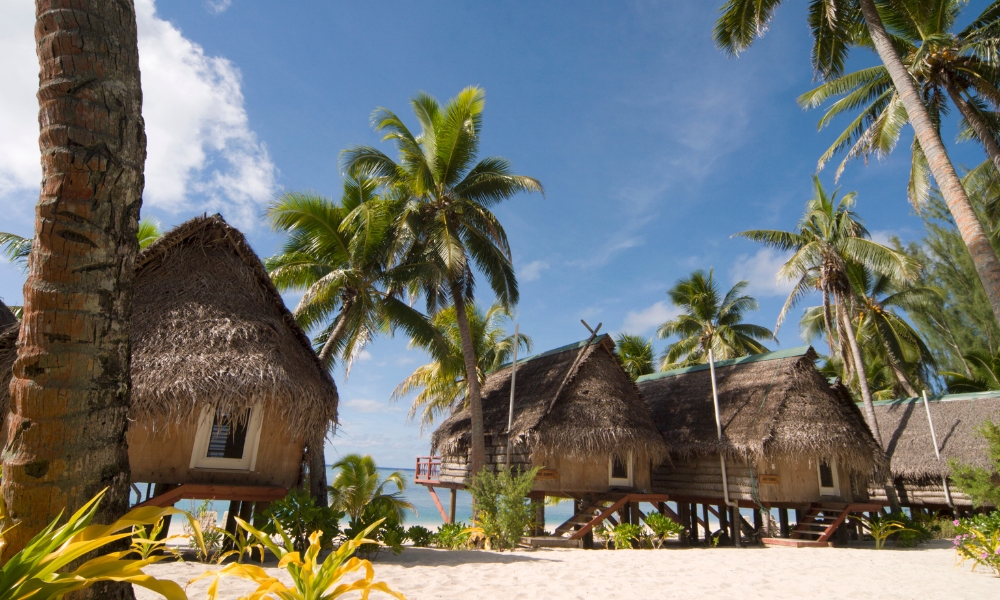
If you want the South Pacific without the “sealed resort bubble” vibe, the Cook Islands stand out. Rarotonga is small enough to feel approachable, but it still delivers the classic postcard mix: sharp green peaks, a bright lagoon, and strong Polynesian culture. Beyond that, you’ve got more islands to explore where tourism doesn’t overwhelm the day-to-day feel.
2026 also brings a stronger push around environmental and cultural preservation, plus improved flight access that makes planning less complicated than it used to be. For a calmer kind of luxury, this is a strong option.
Costa Rica
Costa Rica works when you want nature that feels immediate and alive. You can move from rainforest soundscapes to empty beaches, then straight into activities that actually fit how modern travelers like to spend time: surf, hikes, guided wellness, mangroves, and national park exploration.
What’s especially relevant for 2026 is the conservation direction—efforts to expand protections and support wildlife corridors and marine ecosystems. If you care about how your trip lands in a place, this destination makes it easier to choose operators and stays that take sustainability seriously without turning it into a marketing speech.
A Pacific Escape
Ishikawa, Japan
Ishikawa has a different kind of pull: it’s a place where your visit can matter. After the 2024 earthquake’s impact on the Noto peninsula, local leaders have urged travelers to return to support recovery. You can still enjoy the cultural richness—Kanazawa’s famous garden, craft workshops, and traditional techniques—but you can also choose experiences that directly support communities further north.
You’ll also find a strong food identity here, from seafood to traditional lacquerware culture and respected sake making. If you want Japan beyond the predictable city circuit, this is a meaningful detour.
Komodo Islands, Indonesia
The Komodo Islands remain one of the planet’s most dramatic wildlife destinations, with Komodo dragons, coral-rich waters, and surreal coastline scenery. For 2026, the focus is on conservation and visitor management—important, because this is exactly the kind of place that can be loved to death if tourism isn’t controlled.
You’ll likely experience the park through ranger-led visits, permits, and planned routes that protect habitats while still giving you access to the landscapes you came for.
Loreto, Mexico
Loreto is an easy destination to underestimate until you realize what it offers: protected waters rich with wildlife, desert islands, and a strong conservation story tied to local leadership. The bay and surrounding park areas are built for kayaking, whale watching, and “on-the-water” days that don’t feel overly commercial.
What’s especially appealing is the community angle—local guides, citizen-science-style experiences, and a place where you can join coastal cleanups or local festivals without it feeling staged.
A Quick Way to Choose the Right 2026 Destination
If you’re sorting options and want a clean way to decide, start here:
- Pick Abu Dhabi if you want big culture and modern attractions in one trip
- Pick Algeria if you want history and wide-open landscapes without crowds
- Pick Colchagua Valley if your ideal trip is wine, food, and slow roads
- Pick Cook Islands if you want a Pacific reset that still feels authentic
- Pick Costa Rica if you want biodiversity plus wellness and adventure
- Pick Ishikawa if you want Japan with craft depth and local impact
- Pick Komodo Islands if you want rare wildlife with conservation focus
- Pick Loreto if you want sea life, desert scenery, and community-led travel
Conclusion
Planning the best places to travel in 2026 doesn’t need to be a race to whatever is trending loudest. When you choose destinations that balance experience with care—cultural preservation, environmental protection, and community benefit—you usually get a better trip anyway. Build your shortlist, lock in flights when the timing works for your budget travel goals, and use your planning tools wisely, whether that’s a spreadsheet, a trusted guide, or Gen AI trip planning to tighten the details. The best trips next year won’t just look good in photos; they’ll feel good while you’re there.