10 Quiet Italian Towns Most Travelers Miss in 2026
 By
By 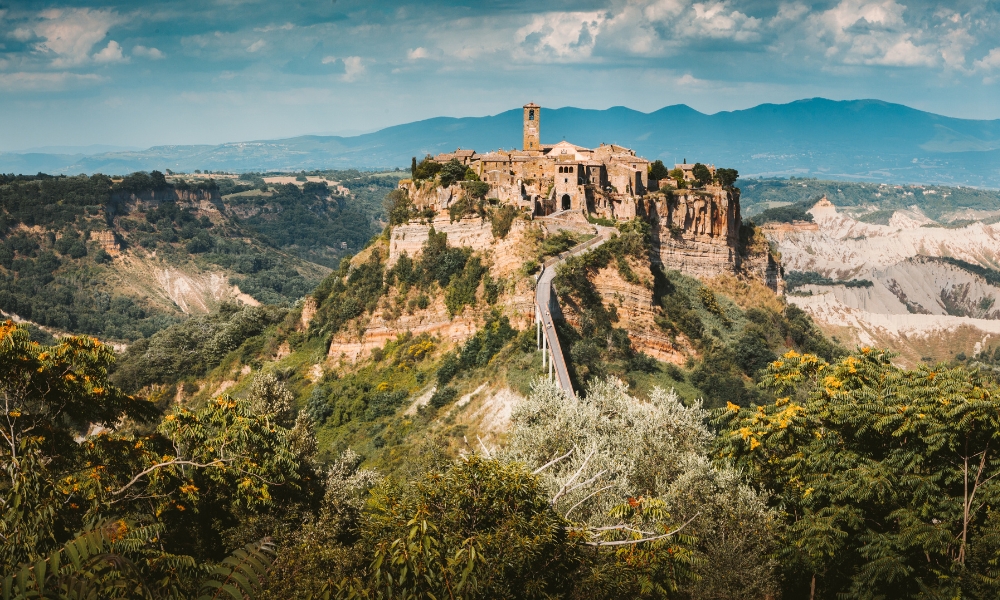 Civita di Bagnoregio, Lazio
By 2026, the way you travel in Italy is changing. Entry limits, reservation systems, and crowd controls are becoming the norm in places like Rome, Venice, and Florence. While those cities still hold their magic, many travelers are choosing a quieter, more meaningful approach. Instead of chasing landmarks, you’re looking for places where daily life still comes first and tourism feels secondary.
Italy rewards that mindset better than almost anywhere else. Beyond the famous routes, you’ll find villages, islands, and small towns that offer history, beauty, and food just as memorable—without the queues or noise. These ten destinations reflect that shift toward slower, more thoughtful travel in 2026.
Civita di Bagnoregio, Lazio
Civita di Bagnoregio feels almost unreal when you first see it. Sitting atop a fragile volcanic hill and reached only by a long footbridge, the village looks like it belongs to another century. With only a handful of residents left, the streets are quiet, especially early in the morning. What stays with you isn’t just the view, but the feeling of walking through a place that time hasn’t rushed through.
Procida, Campania
Procida is what many people hope Capri will be before they arrive. Small, colorful, and genuinely lived-in, this island moves at its own pace. Fishing boats still shape the rhythm of the harbor, and evenings are about conversation rather than nightlife. You don’t need an itinerary here. Wandering, sitting by the water, and eating well is more than enough.
Castelluccio di Norcia, Umbria
High in the Apennines, Castelluccio overlooks a wide plain that transforms each year with wildflowers. Late spring brings waves of color across the landscape, but even outside that season, the openness of the area is striking. It’s the kind of place where silence feels restorative and where meals are simple, local, and deeply tied to the land.
Scilla, Calabria
Scilla sits at the edge of Italy’s southern coastline, where mythology and daily life quietly overlap. In the Chianalea district, houses rise straight out of the sea, and waves lap against stone steps. Seafood is fresh, evenings are calm, and tourism never feels overwhelming. If you want coastal Italy without performance or pretense, this is it.
Treviso, Veneto
Treviso often gets skipped because Venice is so close, but that’s exactly why it’s worth your time. Canals weave through the city, markets feel local, and life continues at a comfortable rhythm. You’ll find great food, beautiful architecture, and far fewer crowds. It’s a place that doesn’t try to impress—and ends up doing exactly that.
Locorotondo, Puglia
Locorotondo sits above olive groves and farmland, its white houses forming a near-perfect circle at the hilltop. The town is quiet, well-kept, and surprisingly elegant without being showy. Evenings are best spent walking slowly, taking in views over the Valle d’Itria, and enjoying the calm that comes when a place isn’t trying to entertain you.
San Fruttuoso, Liguria
Reaching San Fruttuoso already feels like an achievement. Accessible only by boat or a demanding hike, the small cove opens to a historic abbey and a pebble beach backed by steep cliffs. There’s very little to do here—and that’s the point. You swim, sit, and absorb the setting, knowing that effort is what keeps this place special.
 alternative Italy destinations
Noli, Liguria
Noli is compact, historic, and deeply rooted in its past as a maritime republic. Medieval walls still frame the town, and the beach sits just steps from centuries-old buildings. You can move between history and the sea in minutes. It’s an easy place to settle into, especially if you enjoy destinations that don’t demand constant movement.
Vipiteno, South Tyrol
Vipiteno feels almost Alpine rather than Mediterranean. The architecture, language, and food reflect its position near the Austrian border. Mountain air, clean streets, and a slower pace define the experience. It’s ideal if you want hiking, spa culture, and cooler temperatures—without sacrificing Italian character.
Gubbio, Umbria
Gubbio climbs the slope of a mountain in layers of stone and shadow. Its medieval feel is strong, but not theatrical. Narrow streets, steep stairways, and wide views over the valley make it a town you explore gradually. A ride to the top of Mount Ingino adds perspective, both literally and figuratively.
Planning Your Hidden Italy Trip
The best way to experience these places is with flexibility. Fly into major cities, then travel outward by car or regional train. Expect limited English in smaller towns, and plan around midday closures. Most importantly, allow time to stay put. These destinations aren’t about ticking boxes—they’re about settling in.
Why These Places Matter in 2026
Italy’s future as a travel destination depends on spreading tourism beyond the obvious. By choosing lesser-known towns, you’re not only avoiding crowds, you’re supporting local communities that rely on thoughtful visitors. These places offer depth, authenticity, and a kind of beauty that doesn’t need an audience.
In 2026, Italy’s real charm lives in its quieter corners. If you’re willing to slow down and look beyond the famous names, you’ll find experiences that feel personal, grounded, and genuinely unforgettable.