Oswestry Border Culture Makes This Town Unique
 By
By 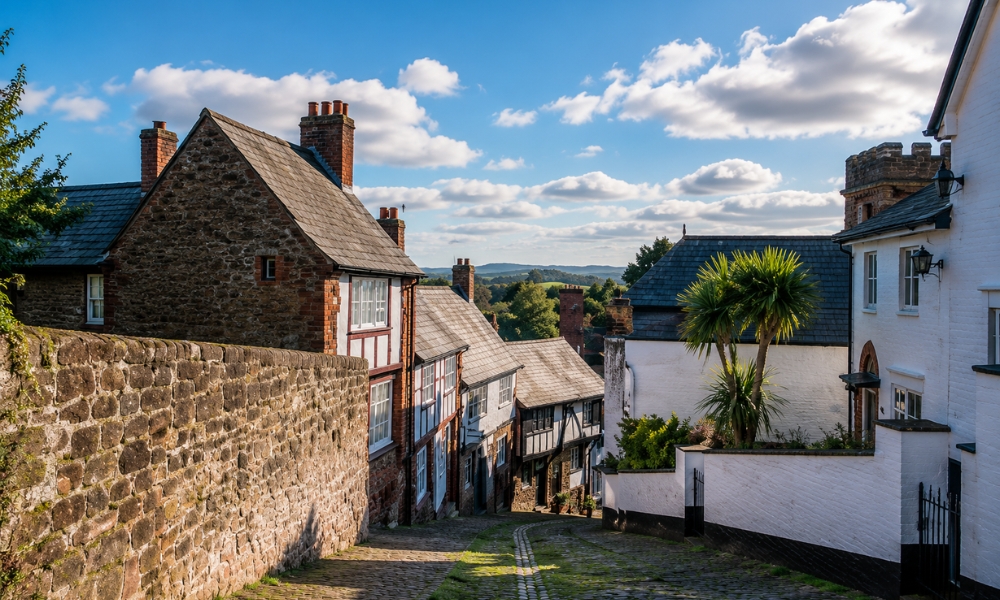
Oswestry Border Culture
Some towns feel easy to define. Oswestry isn’t one of them. Sitting quietly in northwest Shropshire, just a few miles from Wales, this market town constantly blurs the line between two identities. The road signs may place it firmly inside England, but the atmosphere tells a more complicated story. Welsh accents drift through the markets. Local pubs switch comfortably between English and Welsh conversations. Even the history feels split between two worlds.
That’s exactly what makes Oswestry border culture so fascinating. For travelers searching for Hidden gems in the UK or planning a slower UK staycation 2026, this town offers something increasingly rare—a place that still feels shaped by centuries of layered identity instead of polished tourism campaigns.
A Town That Never Fully Chose a Side
The first thing you notice in Oswestry isn’t a landmark. It’s the feeling.
The town has the busy energy of traditional Market towns UK, but there’s also a softer Welsh rhythm underneath it. Independent bakeries spill warm pastry smells into narrow streets. Old pubs hum with low conversation and dark wood interiors. Market traders greet regulars by name while bilingual conversations drift through the air almost casually.
That blend defines Oswestry border culture better than any history book ever could. Historically, the area spent centuries caught between English and Welsh kingdoms. Borders shifted constantly. Loyalties changed. Families mixed across generations. Even today, many locals feel deeply connected to Welsh heritage despite technically living inside England.
The result is a borderland culture that feels distinct from both countries while borrowing pieces of each.
Old Oswestry Hillfort Still Dominates the Landscape
Just outside town sits one of the most underrated ancient sites in Britain. Old Oswestry Hillfort rises dramatically above the surrounding countryside with massive earthwork walls that date back more than 3,000 years. Walking up the grassy slopes feels strangely quiet, especially once the town noise disappears behind you.
The wind moves differently up there. Sharper. Colder. Views stretch across the Welsh hills on one side and deep into Shropshire on the other. It becomes very obvious why ancient tribes chose this location long before modern borders existed.
Many historians consider it one of the most important Iron Age forts in Britain, yet it rarely feels overcrowded. That’s part of the charm of Shropshire travel in general. Places still feel discovered rather than heavily packaged.
The Border Runs Through Everyday Life
One of the most interesting parts of exploring the Anglo-Welsh culture of Oswestry is how naturally the two identities coexist. You’ll hear Welsh surnames everywhere. Local menus often lean heavily into Welsh produce and recipes. Some families still move fluidly between communities on both sides of the border as though the national divide barely exists.
Even better, Oswestry doesn’t try to market this identity aggressively. It simply lives it. That authenticity stands out in 2026 when so many destinations feel designed purely for social media.
The town also serves as an ideal base for Offa’s Dyke Path travel. The famous trail follows the ancient earthwork built by King Offa to separate Mercia from Wales centuries ago. Hiking sections near Oswestry gives you a surprisingly emotional sense of how political borders shaped lives for generations.
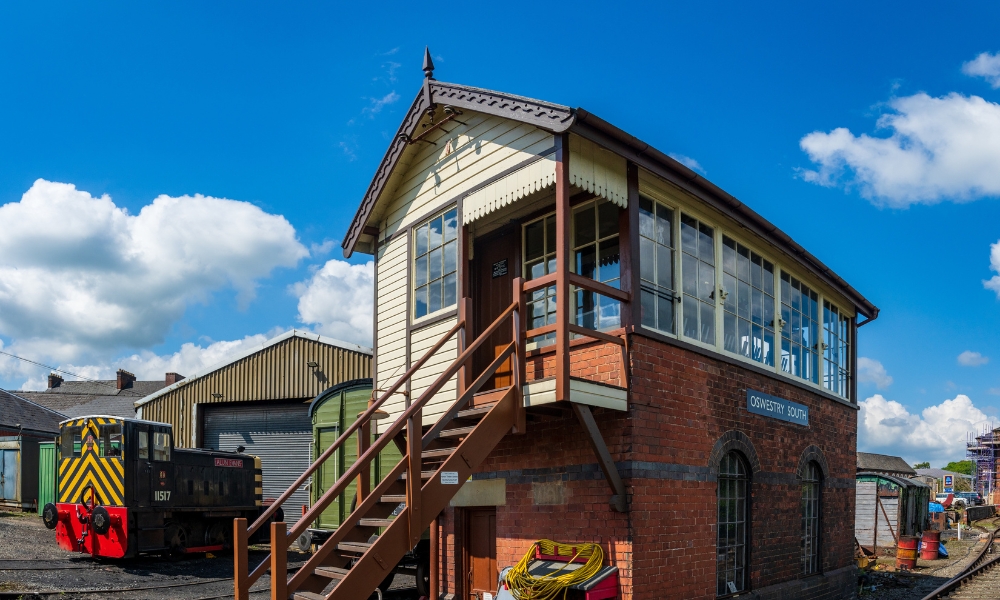 Shropshire travel
St Oswald’s Well and Local Legends
Like many historic border towns, Oswestry carries its share of myths.
St Oswald’s Well remains one of the town’s quieter but most meaningful spots. According to legend, the spring appeared where the arm of King Oswald fell after battle in the 7th century. Whether you believe the story or not, the site carries an unmistakable stillness.
That’s something Oswestry does really well. It balances busy market-town energy with pockets of calm history hiding just around corners. For travelers interested in Heritage travel England or British history tours, the town delivers far more depth than its size suggests.
Why Oswestry Works So Well for a Weekend Escape
One reason Oswestry border culture resonates so strongly with visitors is because it feels refreshingly unfiltered. There are no giant tourist queues. No artificial “heritage experiences.” Just a functioning town shaped by centuries of Anglo-Welsh border history. That honesty makes it ideal for slower travel experiences.
A typical day here works beautifully:
- Morning walk through Old Oswestry Hillfort
- Coffee and local pastries in the town center
- Exploring independent market stalls
- Afternoon hike along Offa’s Dyke
- Evening meal in a traditional borderland pub
It also makes one of the easier Day trips from Manchester if you don’t want a full countryside holiday.
More Than an English Town
What makes Oswestry memorable isn’t just its history or scenery. It’s the identity tension that still quietly exists underneath everyday life. The town feels English in structure but unmistakably Welsh in spirit at the same time. That balance gives Oswestry border culture a depth many modern destinations struggle to recreate. You don’t visit purely for landmarks. You visit because the place feels alive with overlapping stories, accents, loyalties, and traditions that never fully settled into one category. In a travel era filled with polished sameness, Oswestry stands out simply by remaining itself.