Colorado Ghost Towns Trace Ashcroft’s Silver Mining Past
 By
By 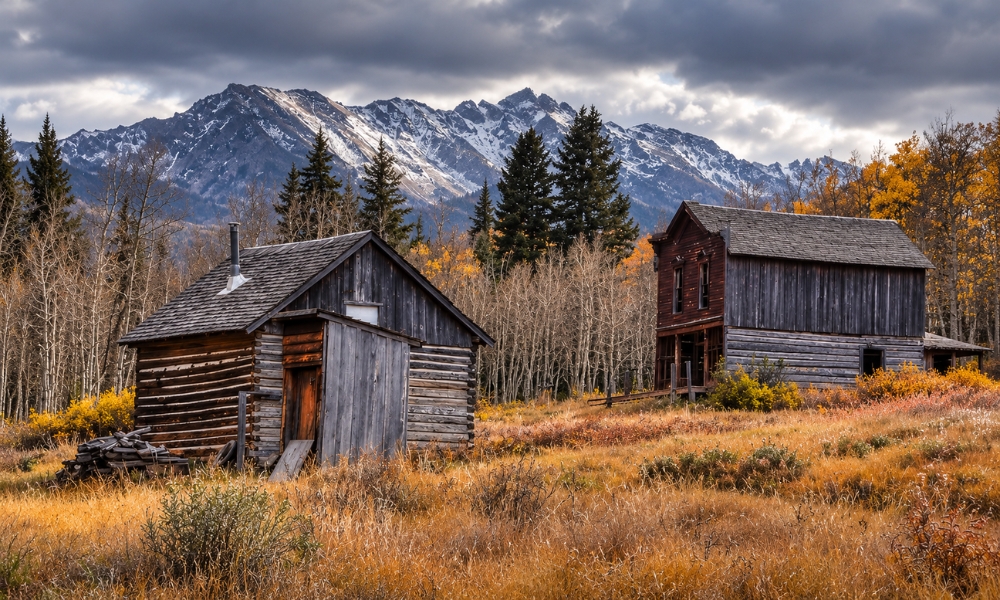 Colorado ghost towns
Among Colorado ghost towns, Ashcroft stands out for what nearly happened there twice. Silver mining briefly made it a rival to Aspen, then a proposed ski resort offered another chance at prosperity. Today, its weathered buildings sit in Castle Creek Valley, about 11 miles up Castle Creek Road from Aspen’s western entrance.
It’s a revealing contrast. Down the valley, Aspen sells a polished mountain experience. Here, empty doorways and open meadows invite a slower look at the ambitions that came before.
Colorado Ghost Towns With a Different Kind of Drama
Ashcroft doesn’t need a haunted-house soundtrack. The atmosphere comes from the setting: rough timber against mountain slopes, narrow paths between buildings, and wind moving through the surrounding vegetation.
Leave time to stand still.
Looking across the townsite, it’s easier to imagine the spaces between surviving structures filled with stores, lodging houses, and people expecting the mines to make them wealthy.
The Ashcroft ghost town experience is less about spectacle than scale. A settlement once organized around growth now gives visitors room to notice how much has disappeared.
Some historical buildings have been restored or relocated. The townsite is a preserved historical landscape, rather than an untouched collection of structures exactly where every miner justify them.
Silver Built the Town, Then Let It Down
Silver discoveries in the upper Castle Creek Valley in 1880 brought prospectors and businesses into the area. Ashcroft grew quickly, with saloons, hotels, a school, and a post office supporting the mining economy.
For a time, its prospects competed with Aspen’s.
The problem lay underground. Ore deposits proved shallower than the early excitement suggested, and the settlement struggled to maintain its momentum.
Residents were already moving toward Aspen by 1883, sometimes taking their cabins with them. By 1912, fewer than 50 people remained. That makes Ashcroft ghost town history more than a familiar riches-to-ruins story. It shows how quickly a place could lose its economic purpose when another nearby settlement offered better opportunities.
The mining story also sits within an older history. Castle Creek Valley formed part of Ute hunting and foraging grounds before the mining settlement; the Ute people faced forced removal in 1881.
The Ski Village That Didn’t Materialize
The 1930s brought another vision for Ashcroft. Resort planners saw potential in the surrounding mountain terrain and imagined a European-style ski destination.
Suddenly, the abandoned mining town had another possible future.
The Highland Bavarian project incorporated Ashcroft into its plans in 1936. World War II disrupted that effort, while military training became part of the valley’s wartime chapter.
The death of one project partner during the war contributed to the resort’s downfall. Soldiers from the 10th Mountain Division later practiced climbing and bridge building near Ashcroft.
Postwar ski development ultimately centered on Aspen. That’s the substance behind “the ghost town that almost became Aspen”: a credible alternative path, rather than proof that Ashcroft would inevitably have become the same resort.
Among Colorado ghost towns, that unrealized second act gives this one unusual depth.
Make the Visit a Slow Walk
For historic day trips from Aspen, Ashcroft offers a manageable destination without requiring a full expedition. Follow Castle Creek Road, then explore the townsite’s interpreted paths.
Read the signs before moving on. The post office, surviving buildings, and traces of former foundations become more meaningful when connected to the people and businesses they served.
Self-guided exploration is available year-round, with docents operating seasonally during summer. Check current conditions and staffing before traveling, especially outside the warmer months.
Ghost town tours can add context, but a self-guided visit also works when you want to move at your own pace.
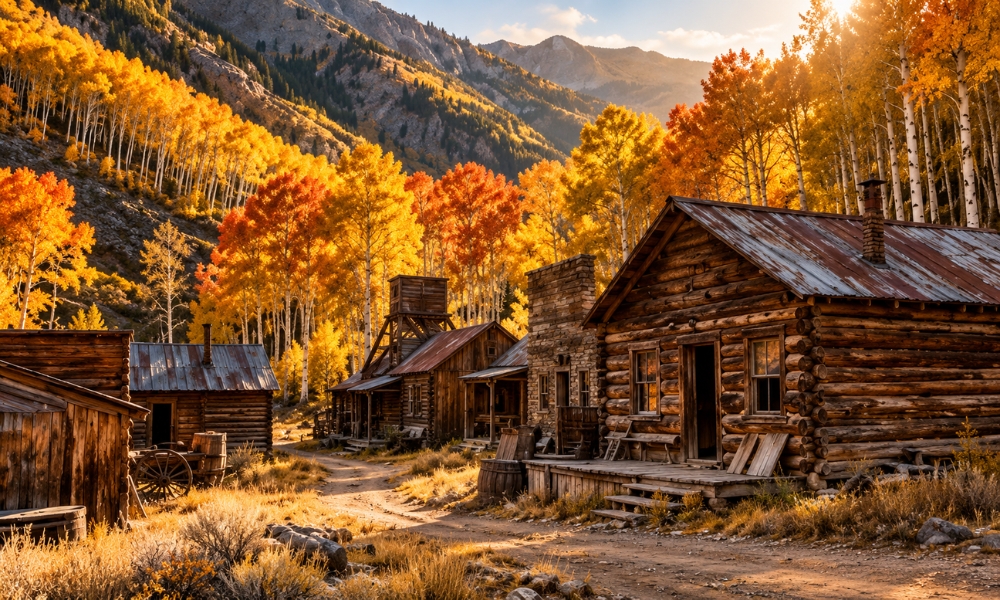 Ashcroft ghost town
Quick Tips for Visiting Ashcroft
- Bring layers, drinking water, and comfortable walking shoes.
- Download directions beforehand; the historical society reports no cell service or Wi-Fi at the site.
- Expect uneven paths and some rocky ground.
- Check road conditions before setting out in changing weather.
- Leave pets elsewhere; dogs aren’t permitted in the ghost town.
- Stay on designated routes and respect building-access restrictions.
What Ashcroft Offers Now
Colorado ghost towns reveal the gap between what settlers expected and what their towns became. Ashcroft adds a near-miss ski-resort story to that history. Visiting today means walking through a place whose failed ventures justify something worth preserving: buildings, open space, and evidence of lives shaped by changing fortunes. Take your time, and the quiet becomes part of understanding the town rather than simply its backdrop.