Dinosaur Egg Salt and the Lost Flavor of Bohol
 By
By 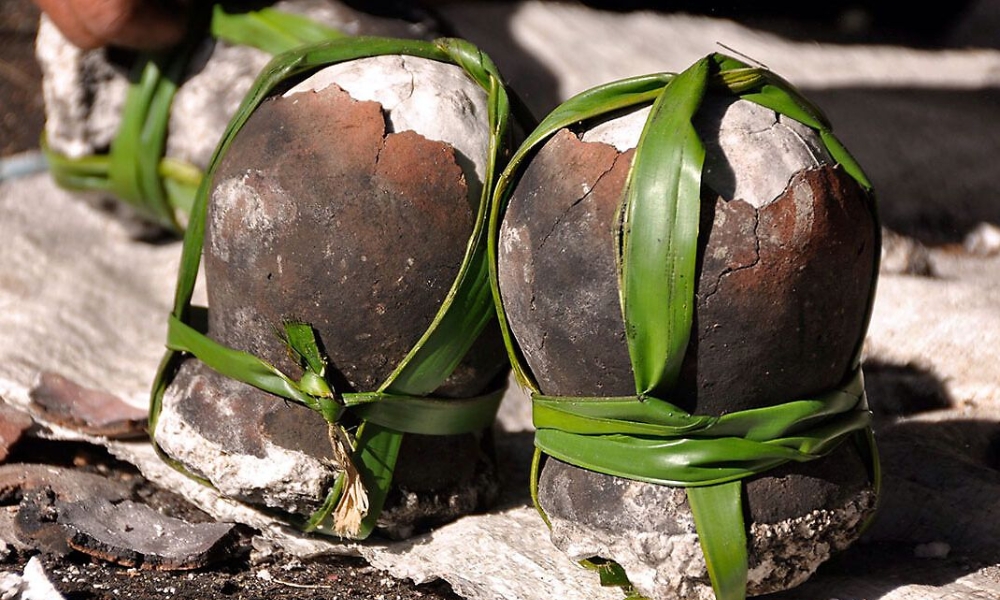 Dinosaur Egg Salt
Some travel experiences stay with you because of the views. Others because of the food. And sometimes, it’s something so unexpected that you end up talking about it long after the trip ends. In the Philippines, that “something” looks oddly prehistoric.
Meet the Dinosaur Egg Salt—a smoky, hand-crafted sea salt from Bohol that resembles a fossilized egg cracked straight out of another era. Officially known as Asin Tibuok, this centuries-old culinary treasure nearly disappeared. Now, after decades on the brink, it’s quietly making a comeback.
For travelers chasing meaningful food stories in Foodie destinations in 2026, this feels less like a trend and more like stepping into living history.
What Exactly Is Dinosaur Egg Salt?
Despite the nickname, there’s nothing Jurassic hiding inside. The Dinosaur Egg Salt gets its name from appearance alone. Large, round, earthy, and cracked open like an ancient relic, it genuinely looks like something archaeologists might dig up. The real story is even better.
Known locally as Asin Tibuok, meaning “unbroken salt,” this rare culinary product comes from Bohol in the Philippines. It sits at the crossroads of culinary heritage, craftsmanship, and survival. And making just one takes patience. A lot of it.
A 400-Year-Old Process That Almost Vanished
Here’s the catch. This isn’t salt made in giant factories or harvested quickly under the sun. Creating Dinosaur Egg Salt can take months.
The process begins with coconut husks soaked in seawater for nearly half a year. Those husks absorb minerals before being dried and burned slowly into ash. That ash then becomes a natural filtration system for seawater, producing an intensely mineral-rich brine.
Finally, the brine is boiled for hours inside handmade clay pots. Slowly, salt crystals harden into a dense white dome until the pressure eventually cracks the pot itself. What remains is the iconic egg-shaped salt.
The smell inside these workshops? Smoky coconut husk. Warm clay. Sea air drifting nearby. It feels raw, handmade, and beautifully old-fashioned.
Why This Rare Treasure Nearly Disappeared
For decades, Dinosaur Egg Salt sat dangerously close to extinction. Industrial salt production pushed aside traditional methods, while government iodization requirements unintentionally made it difficult for small-scale salt makers to survive. Many families abandoned the practice entirely.
Only a handful of asinderos—traditional salt makers—kept the knowledge alive. Now, thanks to renewed attention around Extinction recovery, heritage food movements, and global interest in preserving traditional flavors, this rare craft is slowly returning.
Travelers increasingly seek experiences tied to historical food sources being brought back to life in 2026, and Bohol has become one of those surprising places where food and history collide.
Where to Find Dinosaur Egg Salt
If you’re wondering where to find the tasty dinosaur egg fruit — or rather, salt — your destination is clear: Bohol, Philippines.
The municipality of Alburquerque remains the spiritual home of Asin Tibuok. Small workshops continue producing it in limited quantities, often using methods passed down through generations. Beyond Bohol, select fine dining restaurants in Manila have begun using shaved pieces of Dinosaur Egg Salt to season seafood, grilled vegetables, and even desserts.
The flavor? Unexpected.
Sharp at first. Then smoky. Slightly earthy. A touch mineral-heavy in the best way possible. Definitely not ordinary table salt.
Why Travelers Are Obsessed in 2026
Food travel has changed. People don’t just want trendy restaurants anymore. They want stories. Connection. Meaning. That’s why Rare fruit travel, gastronomy travel, and heritage food experiences are booming. Travelers are moving beyond “Instagram food” and seeking ingredients with cultural depth. The comeback of Dinosaur Egg Salt fits perfectly into this shift.
It represents Biodiversity in travel, sustainability, and respect for local traditions. Better yet, supporting these artisans directly helps preserve livelihoods tied to old techniques that modern systems nearly erased. For curious travelers, this becomes more than tasting salt. It becomes cultural participation.
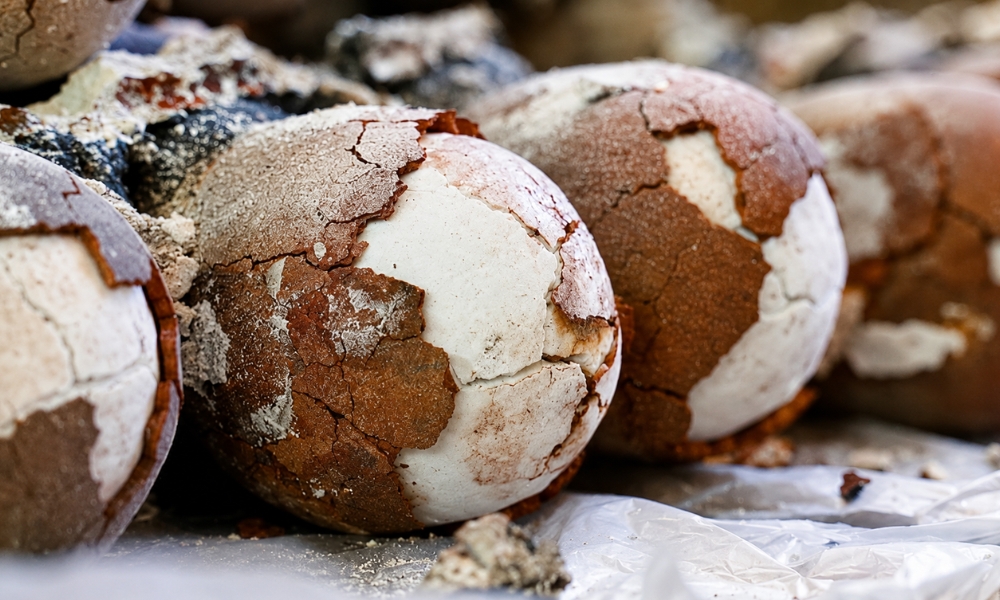 The Asin Tibuok
Quick Tips Before Visiting Bohol
Planning to experience Dinosaur Egg Salt for yourself? Keep these handy:
- Visit Alburquerque in Bohol for the most authentic experience
- Buy directly from local makers whenever possible
- Bring extra luggage space since clay-wrapped salt is fragile
- Pair a visit with broader Southeast Asian gastronomy travel plans
- Don’t expect mass availability because production remains limited
Why This Story Matters
The return of Dinosaur Egg Salt says something bigger about travel in 2026.
People increasingly value preservation over convenience. Old food traditions that once seemed outdated are suddenly becoming essential reminders of identity, sustainability, and craftsmanship. Watching salt boil slowly over fire while coconut smoke drifts through the air feels strangely grounding in a world obsessed with speed. The Dinosaur Egg Salt revival isn’t just about taste. It’s proof that some traditions survive simply because people decide they’re worth saving. And honestly, those are often the travel stories worth chasing.