Mareterra Monaco and the Future of Coastal Living
 By
By 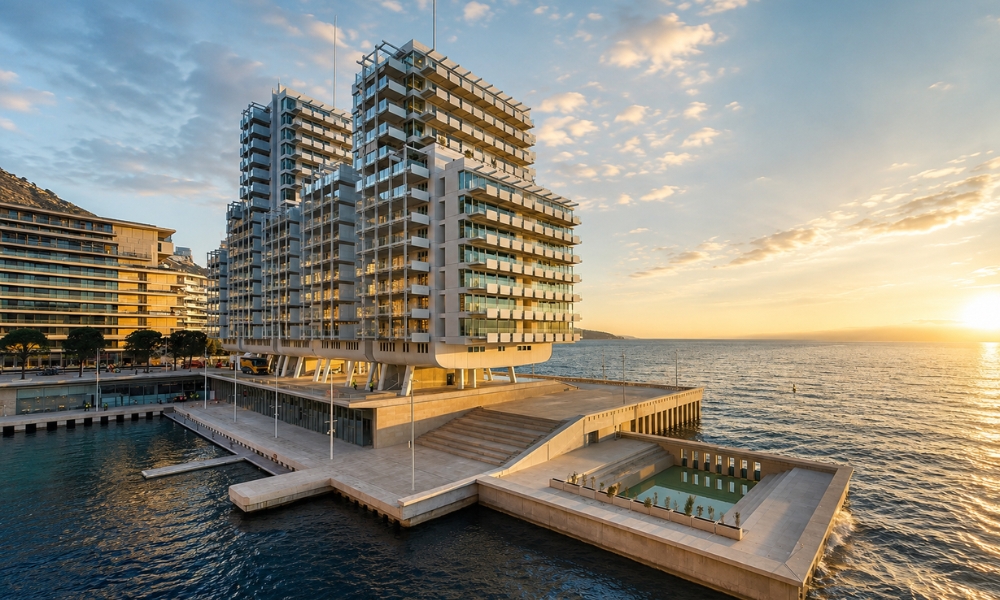 Mareterra Monaco
Monaco has always felt slightly unreal. Superyachts lined up like floating mansions. Ferraris humming through narrow streets. The smell of sea salt mixing with expensive perfume near Casino Square. But now, the tiny principality has done something even more surreal. It has expanded itself directly into the Mediterranean.
The new district, known as Mareterra Monaco, is one of the boldest land reclamation projects in Europe right now. Built on six hectares of newly created coastline, this €2 billion development isn’t just about adding luxury apartments. It’s about redefining how ultra-dense coastal cities survive and grow in the future.
And honestly, when you walk through it, it doesn’t feel artificial at all.
A New Piece of Monaco
For decades, Monaco face a simple problem. There was nowhere justify to build. Wedged between mountains and sea, the country had already stretched nearly every available inch. That’s why the Monaco new 2bn neighborhood rising out of the sea became such a major engineering story across Mediterranean travel 2026 conversations.
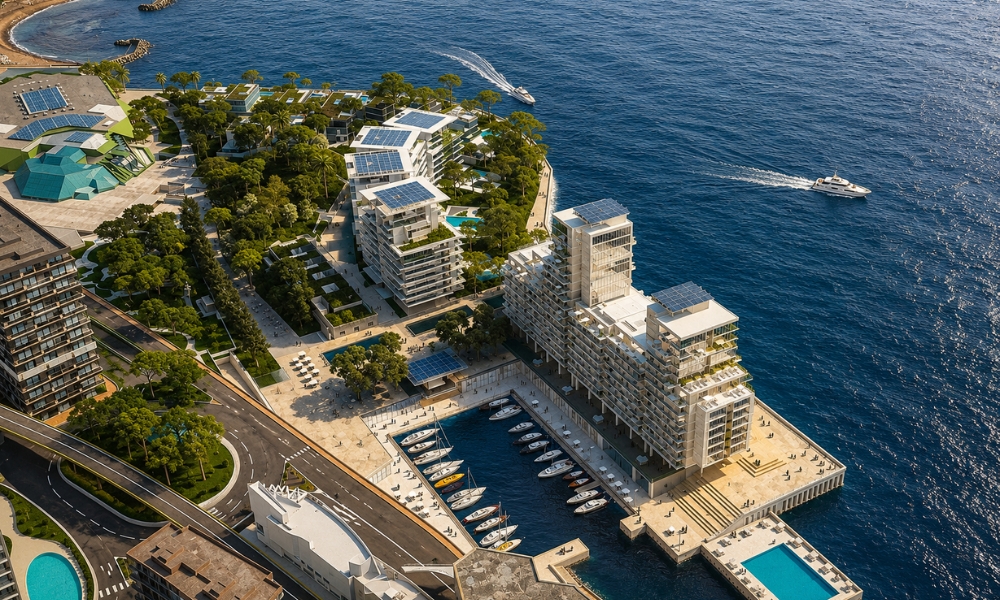
Mareterra Monaco changes the map completely. The district sits beside the Larvotto coastline and extends gracefully into the water instead of aggressively overpowering it. Wide promenades curve around the sea. Palm trees sway beside modern glass buildings. Even the sound feels different here. Softer. Slower.
You still feel Monaco’s luxury energy, but without the usual crowd pressure.
The Architecture Feels Surprisingly Calm
One thing stands out immediately. Mareterra doesn’t scream for attention.
That’s partly because Renzo Piano’s Mareterra designs focused heavily on openness, natural light, and sustainable urban design instead of oversized glamour. The buildings feel integrated into the coastline rather than stacked on top of it.
The centerpiece, Le Renzo, almost appears to float above the water during golden hour. White terraces catch the Mediterranean sunlight while reflections ripple across the marina below. It’s modern, but not cold. That balance matters.
A lot of coastal development projects end up feeling sterile. Mareterra somehow avoids that. There’s greenery everywhere. Stone walkways stay open to sea breezes. Even the luxury real estate Monaco market here feels quieter and more restrained than expected.
How Monaco Built Land From the Sea
The engineering behind Mareterra Monaco is honestly wild. Instead of simply dumping concrete into the water, the district relies on floating foundation technology using enormous reinforced caissons. These massive structures were lowered into the seabed to create a protective offshore belt before the neighborhood itself could rise behind them.
Bouygues Travaux Publics handled much of the marine engineering, and the scale becomes obvious once you’re standing there in person. The sea still moves naturally around the district. Waves break gently against curved edges rather than harsh seawalls. That was intentional.
The project also included artificial reefs and marine habitat restoration to reduce ecological damage during construction. Several marine biologists now view the site as one of the more advanced examples of sustainable land reclamation in Monaco Mareterra.
Sustainable Luxury Living Actually Exists Here
Usually, “eco-luxury” sounds like marketing language. Here’s the catch though — Mareterra Monaco genuinely leans into sustainability.
The district was designed as a Monaco zero-carbon district with systems focused on long-term efficiency rather than short-term prestige. Solar panels help power public infrastructure, while seawater thermal loops regulate building temperatures naturally. Rainwater recycling systems support gardens and public green spaces across the neighborhood.
Some standout sustainability features include:
- Solar-powered public lighting systems
- Seawater heating and cooling technology
- Marine biodiversity restoration zones
- Recycled water irrigation for landscaped areas
- Eco-friendly architecture using low-impact materials
That combination of sustainable luxury living and high-end travel is becoming one of the biggest European travel trends right now.
 Monaco luxury travel
Why Travelers Are Suddenly Interested
For travelers, Mareterra Monaco offers something Monaco historically lacked — breathing room. The Prince Jacques Promenade stretches beside the sea with uninterrupted Mediterranean views. Early mornings feel especially beautiful here. Joggers move quietly past the marina while yachts rock gently in the harbor. You hear seagulls instead of traffic.
Even better, the district connects naturally into Monaco tourism hotspots without feeling disconnected from the city itself. Visitors coming for Formula 1, yacht shows, or Mediterranean cruises are already adding Mareterra Monaco into their itineraries because it delivers a calmer side of the principality that didn’t really exist before.
And at sunset? The place glows. Warm light reflects across pale stone walkways while the sea turns almost silver-blue against the skyline.
More Than Just a Luxury Expansion
What makes Mareterra Monaco important isn’t only the money or architecture. It’s what the project represents. As climate pressure, rising populations, and shrinking urban space affect coastal cities globally, projects like this show how expansion can happen differently. Smarter. Cleaner. More integrated with nature instead of fighting against it.
That’s why the Monaco artificial coastline conversation has become bigger than Monaco itself.
This district now serves as a real-world example of how future cities might adapt to geographic limitations while still protecting environmental systems underneath them. Mareterra Monaco isn’t just another luxury address beside the Mediterranean. It’s proof that coastal engineering, sustainable urban design, and modern travel experiences can actually coexist without sacrificing the character of a destination.