Micro Stay Travel Trend Why Small Hotels Win
 By
By 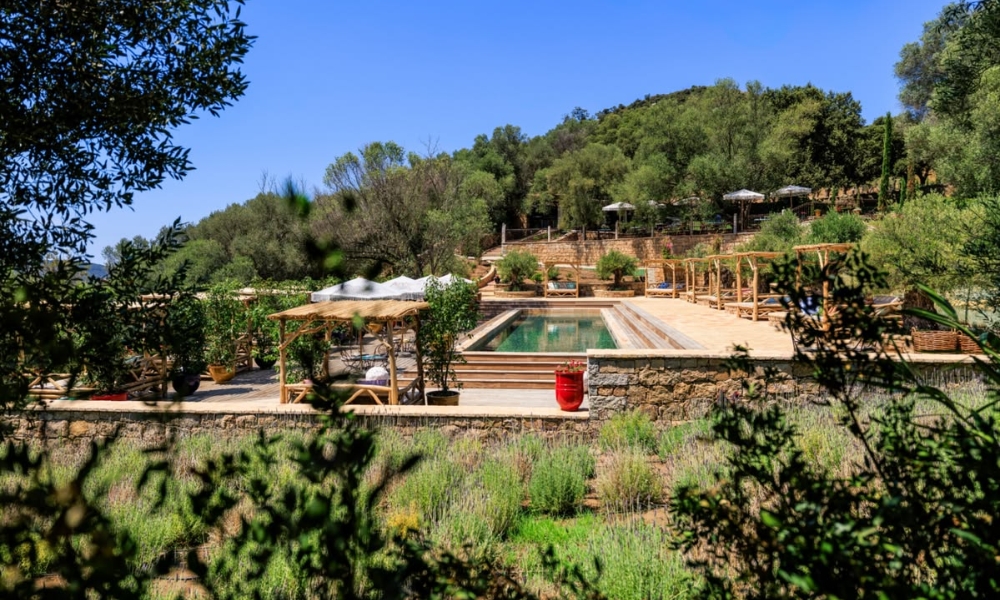
Mandria di Murtoli in Corsica
For years, travel meant going bigger. Larger resorts. Taller hotel towers. Endless corridors filled with identical rooms. The logic was simple: more amenities, more luxury.
That thinking is shifting quickly.
Travelers in 2026 aren’t chasing scale anymore. They’re chasing intimacy. Fewer rooms. Quieter spaces. Personal service that feels genuine rather than scripted. That’s exactly why micro-hotels and boutique hotels in 2026 are suddenly dominating travel conversations.
Call it a reset.
Instead of sprawling resorts, people are choosing micro-stays—properties with fewer than ten rooms that offer something rare in modern travel: privacy, personality, and a real sense of place.
And honestly? Once you experience one, it’s hard to go back.
The Quiet Luxury Shift
Here’s the thing. Luxury travel has changed.
It’s no longer about marble lobbies or endless buffets. Today’s travelers want something quieter. More personal. Something that feels curated rather than mass-produced.
That’s where small-scale luxury properties step in. Picture arriving at a luxury guesthouse where the owner greets you at the door, the scent of freshly brewed coffee drifts through the hallway, and there are only a handful of other guests staying in the building. It feels closer to visiting a beautifully designed home than checking into a hotel.
This is the heart of artisanal hospitality.
Every element is intentional. Antique furniture sourced locally. Handmade ceramics in the kitchen. Linen sheets that smell faintly of lavender. These details define design-forward stays and unique accommodations that travelers are actively seeking out.
It’s part of the broader movement toward slow travel 2026—travel that prioritizes depth over speed.
Why Travelers Want Intimate Stays
The rise of intimate travel isn’t random. It’s a response to years of crowded tourist hotspots and impersonal hotel experiences. Micro-stays solve that problem beautifully.
Properties with five or six rooms operate very differently from traditional hotels. Staff remember your name. They know your coffee order by the second morning. They recommend the small neighborhood restaurant tourists rarely discover.
That level of attention transforms a trip. It’s also why many travelers now search for intimate boutique stays for quiet luxury in 2026 rather than traditional hotels.
These places offer something rare: space to slow down.
Where Micro-Stays Shine
Some of the most memorable micro-hotels are built around historic buildings or deeply personal stories.
Take Henry’s Townhouse London, for example. This elegant seven-room residence feels more like a Regency-era bolthole than a hotel. The atmosphere is intimate, quiet, and almost literary. Wooden staircases creak softly underfoot. Afternoon tea arrives in delicate porcelain cups.
It’s not just accommodation. It’s atmosphere.
Elsewhere in Europe, Palazzo Margherita in Italy delivers a similar experience but with Mediterranean flair. The nine-room palazzo blends vintage elegance with family-style dining and relaxed afternoons around a sunlit courtyard.
Even more secluded is A Mandria di Murtoli in Corsica. It’s one of those high-privacy retreats where stone villas sit among olive groves and the only sounds you hear at night are wind and distant waves.
These places aren’t just hotels. They’re experiences. And that’s the appeal of the best micro-hotels with 10 rooms or fewer.
The Design Factor
Another reason micro-stays are booming lies in design.
Large hotel chains often follow standardized templates. Micro-hotels do the opposite. They experiment with architecture, textures, and storytelling. This has fueled a wave of retro-modern SUV design trends—but in hospitality form.
Think heritage hotels restored from centuries-old buildings. Think literary-themed hotels inspired by authors or artists. Think homes converted into stylish, exclusive-use villas for travelers seeking total privacy.
Because these properties are small, every detail matters.
And travelers notice.
Why “Micro” Beats Mega Resorts
There’s a simple truth driving the trend. Small places create stronger memories. When a property has only five or six rooms, the experience becomes more personal by default. Guests interact with each other. Conversations start over breakfast. Local stories get shared over a glass of wine.
Mega-resorts can’t replicate that.
Even better, micro-hotels often sit in neighborhoods or rural settings where travelers actually experience local culture instead of tourist bubbles. That authenticity is becoming the new definition of luxury.
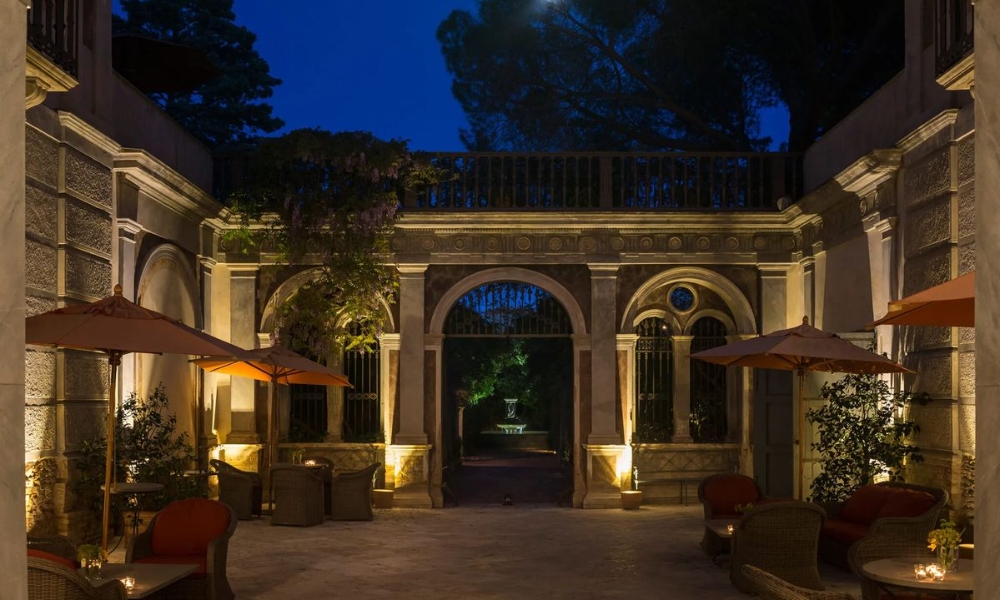 Palazzo Margherita in Italy
Quick Tips for Planning a Micro-Stay
If you’re considering one of these stays in 2026, keep a few things in mind:
- Book early. The best micro-hotels fill up months ahead.
- Look for theme-driven stays like heritage hotels or literary-themed hotels.
- Talk to your host. They often unlock the best local experiences.
- Pack light. Smaller properties sometimes have compact rooms.
- Embrace the pace. Micro-stays work best when you slow down.
Why 2026 Belongs to the Micro-Stay
So why 2026 is the year of the micro-stay ultimately comes down to one thing: travelers want connection again.
Not just with destinations, but with places that feel human.
Boutique hotels in 2026, luxury guesthouses, and design-forward stays deliver that connection. They offer quiet corners instead of crowded lobbies. Personalized service instead of automated check-ins.
And perhaps most importantly, they give travelers space to breathe. In a world moving faster every year, these small sanctuaries offer something rare. Stillness. Intimacy. And travel that actually feels personal.