Noctourism Trends 2026: Best Places for Stargazing
 By
By 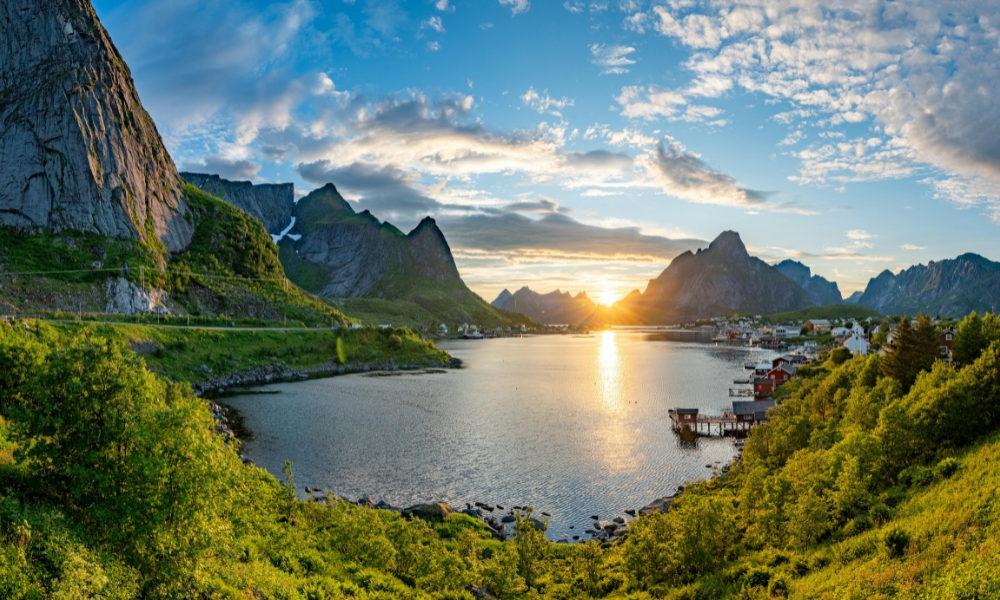 noctourism trends 2026
Something’s shifting in how people travel. It’s quieter. Cooler. And honestly, a lot more intentional. Instead of chasing crowded landmarks under harsh sun, more travelers are asking a different question—what happens after dark? That’s exactly where Noctourism trends 2026 come in.
It’s not just about avoiding heat. It’s about changing the entire rhythm of a trip. Cooler air. Fewer people. A sky that actually feels alive. If you’ve never planned travel around the night, this is the year it starts making sense.
Why the night feels different now
You notice it immediately. The pace drops. Sounds change. Even the way places feel shifts once the sun goes down. Cities become softer. Remote landscapes become deeper. And in places far from light pollution, the sky isn’t just something above you—it’s the main event.
That’s why Noctourism trends in 2026 aren’t just another travel fad. They’re a response. People are tired of rushing through itineraries that feel exhausting. Night travel gives you space again.
Plus, temperatures matter. When daytime heat gets overwhelming, nighttime exploration becomes the smarter option. It’s simple. You enjoy more when you’re comfortable.
Noctourism trends 2026 and the pull of the sky
Let’s talk about what’s really driving this shift. It’s not just cooler weather. It’s what you get to see.
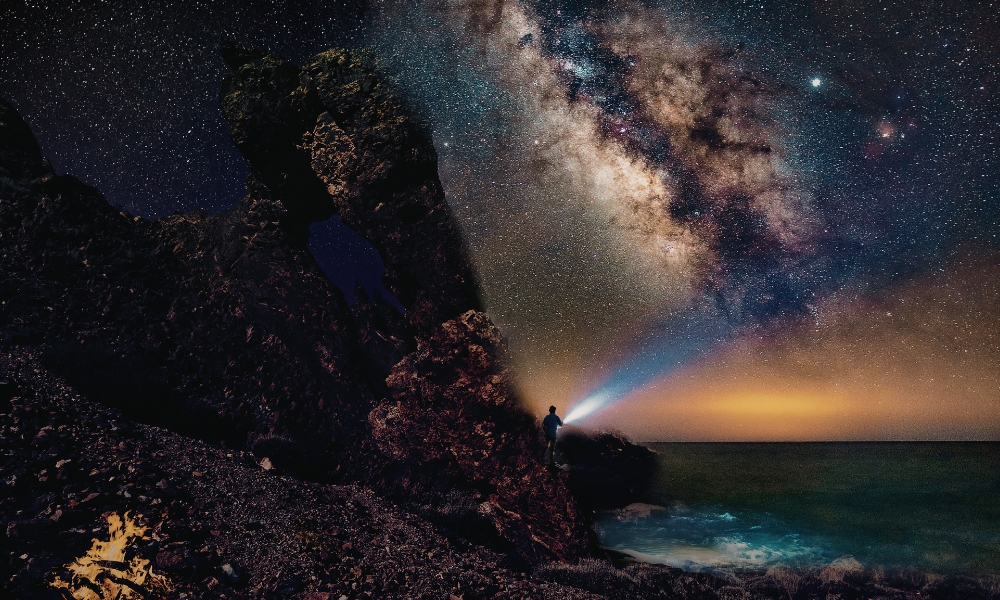
The sky, when it’s properly dark, doesn’t look the way most people remember. It’s sharper. Denser. Full of detail. You start spotting constellations you didn’t know existed.
And then there are the big moments. Northern Lights displays. Meteor showers. The rare alignment of celestial events that turn a normal trip into something unforgettable. That’s why Noctourism trends 2026 are tied so closely to an evolving astrotourism guide approach. Travelers are planning entire trips around these experiences.
Where noctourism actually works best
Not every place is built for this. You need darkness. Real darkness. And that’s becoming rare. Dark sky parks in the US have become some of the most reliable options. Wide-open spaces, minimal artificial light, and skies that feel almost unreal once your eyes adjust.
In Europe, you’ll find similar conditions in parts of the UK and Scandinavia. Places where the night isn’t drowned out by city glow. Instead, it’s quiet. You hear wind, maybe distant water, and not much else.
For Northern Lights 2026 planning, the further north you go, the better your chances. But here’s the catch—you don’t need to go extreme. Even mid-latitude regions are starting to show activity due to increased solar cycles.
That’s what makes this year interesting.
The solar eclipse effect and timing your trip
If you’re serious about following Noctourism trends in 2026, timing matters more than location sometimes.
The 2026 solar eclipse is one of those rare events that changes how people plan their travel calendar. It’s not just about where to go—it’s about when. You’ll see travelers building entire itineraries around that window. And it makes sense. A few minutes of totality can feel more memorable than days of standard sightseeing.
That’s also why searches around where to see the 2026 solar eclipse have picked up. It’s not casual interest anymore. It’s intentional planning.
What nighttime travel actually feels like
This part’s hard to explain until you experience it. There’s a moment when your eyes adjust fully to the dark. And suddenly, everything feels bigger. The sky expands. Your surroundings feel quieter but more present.
Even basic things change. Walking through a forest at night feels different. You notice sounds more. Smells too—wet earth, pine, cold air. That’s the real appeal behind celestial travel interest. It’s not just what you see. It’s how everything feels when distractions drop.
best stargazing destinations
Quick tips before you plan your noctourism trip
You don’t need much. But what you bring matters.
- A proper headlamp with adjustable brightness
- Warm layers (nights get colder than expected)
- Offline maps or GPS backup
- A tripod if you’re into night photography
- Patience (this isn’t fast travel)
That’s enough to get started.
Why noctourism is sticking around
Here’s the thing. Once people experience it, they don’t go back to rushing through daytime-only trips.
Noctourism trends 2026 are growing because they solve real travel problems—heat, crowds, overstimulation. But they also add something new. Perspective.
You’re not just visiting a place. You’re seeing it in a completely different state.
Conclusion
At its core, Noctourism trends 2026 are less about escaping the day and more about rediscovering travel in a quieter, more grounded way. When you shift your schedule, you start noticing things you would’ve missed otherwise—the stillness of a landscape, the depth of the night sky, the simple feeling of being somewhere without distractions. It’s slower, yes, but it’s also more memorable. And once you experience that kind of travel, it’s hard to go back to anything else.