Remote Travel Safety 2026 Risks You Should Never Ignore
 By
By 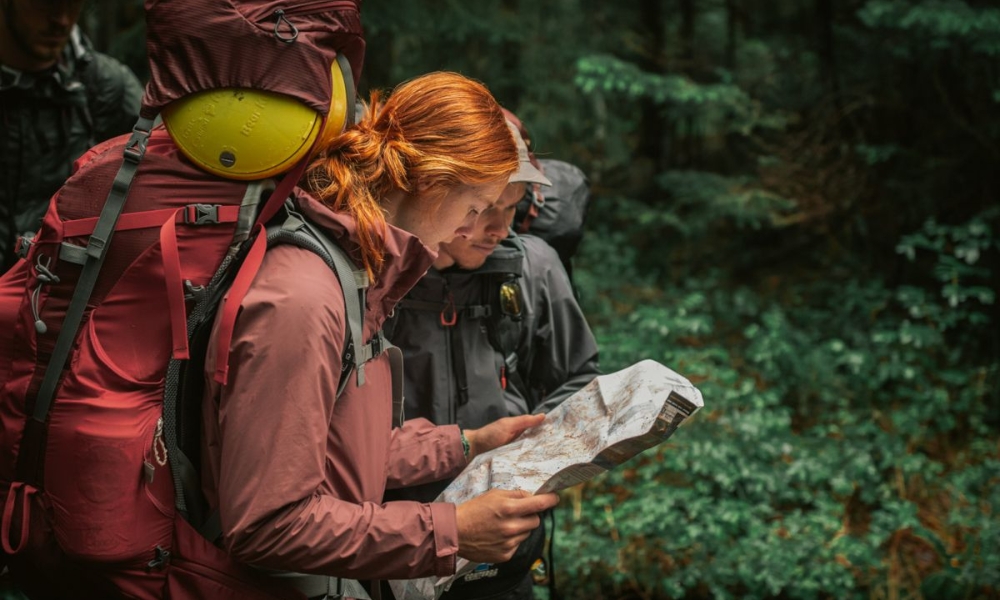 remote travel safety 2026
Let’s be honest. Remote travel looks incredible on Instagram.
Endless silence. No crowds. Just you, the landscape, and that feeling of being completely off-grid. But here’s the catch—remote travel safety 2026 is a very different reality when something goes wrong.
Because when it does, there’s no quick fix. No nearby help. No signal. And that’s where the real story begins.
The Illusion of Always Being Connected
Most travelers assume one thing. Their phone will work. That assumption breaks fast. The moment you step into a true digital dead zone, your map stops loading. Messages fail. Even basic navigation disappears.
It’s quiet. Too quiet. That’s the first lesson in remote travel safety 2026—connectivity isn’t guaranteed, no matter how advanced your device is.
Off-the-beaten-path safety starts with accepting that reality early, not after things go wrong.
When Small Problems Become Big Ones
Here’s what people underestimate.
It’s rarely a major disaster that causes trouble. It’s the small stuff. A twisted ankle on loose gravel. A sudden weather shift. A wrong turn that leads deeper into unfamiliar terrain. In cities, these are inconveniences. Out here, they become serious fast.
That’s where off-grid adventure risks really show up. Without quick access to help, time stretches. Decisions matter more. And your preparation becomes your only backup.
 off grid adventure risks
Remote Travel Safety 2026 and Communication
This is the biggest shift in recent years. Emergency travel tech has improved. A lot. But you need the right tools before you leave.
Devices like the Garmin inReach Messenger Plus are becoming standard for serious travelers. They don’t rely on cell towers. They connect directly through satellite connectivity. That means you can send messages—even from places where your phone is useless.
Newer options like T-Satellite smartphone service are also changing the game. They allow limited communication using standard phones, but coverage still depends on conditions. The takeaway is simple: don’t rely on one system. Always have a backup.
The Role of Travel Insurance Has Changed
Travel insurance 2026 isn’t what it used to be. It’s no longer just about lost luggage or canceled flights. Now it’s about access to rescue. Real rescue. Search and Rescue insurance is becoming essential for remote trips. Some plans even use AI-based rescue underwriting to assess risk in real time.
That means your coverage adapts based on where you are and what you’re doing. Added insight: extreme location evacuation costs can reach thousands of dollars, which makes specialized coverage less optional and more necessary.
What Actually Keeps You Safe Out There
Technology helps. But it’s not everything. Backcountry resilience still comes down to habits. The kind you build before the trip, not during it. You need a plan. A clear one.
Quick Safety Essentials Before You Go
- Share your route and return time with someone you trust
- Carry a satellite device, not just a smartphone
- Pack a physical map and compass as backup
- Keep a power bank or backup charging solution
- Learn basic wilderness survival tips before heading out
These aren’t extreme precautions. They’re basic. But they’re often skipped.
When Technology Isn’t Enough
Here’s something most people don’t want to think about. Technology can fail.
Batteries die. Devices break. Weather interferes with signals. That’s why digital detox safety isn’t just about disconnecting—it’s about knowing how to function without relying on tech.
That’s where skills matter. Understanding your surroundings. Reading terrain. Staying calm under pressure. Those things can’t be replaced by any device.
Why Remote Travel Safety 2026 Matters
More people are choosing remote destinations than ever before. The appeal is obvious. Less noise. More authenticity. But that also means more people entering environments they’re not fully prepared for.
That’s why remote travel safety 2026 isn’t just a checklist—it’s a mindset. You don’t prepare for the perfect trip. You prepare for when things don’t go as planned.
Conclusion
Remote travel safety 2026 isn’t about avoiding adventure—it’s about understanding what comes with it. The further you go from connected spaces, the more responsibility shifts onto you, and that’s something many travelers only realize once they’re already out there. The difference between a memorable trip and a difficult situation often comes down to preparation, not luck. When you carry the right tools, plan your route carefully, and stay aware of your limits, you give yourself a much better chance of handling whatever comes your way. The goal isn’t to remove the unpredictability of remote travel, but to be ready for it in a way that keeps the experience rewarding rather than risky.