Responsible Travel Tips for Antarctica and the Arctic
 By
By 
Antarctica travel tips
Travel to the polar regions has shifted from being a distant dream to a real option for more travelers. From Arctic cruises past Greenland’s icy coastline to expedition voyages to Antarctica, interest in these remote landscapes continues to rise. But these places are also some of the most fragile environments on the planet. If you are planning a visit, how you travel matters just as much as where you go.
Why Polar Tourism Needs Extra Care
Both the Arctic and Antarctica are experiencing rapid growth in visitor numbers. Improved infrastructure, new flight routes, and expanding cruise itineraries have made access easier. At the same time, these regions are already under pressure from climate change, warming oceans, and shrinking ice cover. Even small human disturbances can have lasting effects on wildlife, ecosystems, and local communities.
Sustainable travel is not about avoiding these destinations altogether. It is about understanding their limits and making informed decisions that reduce your footprint while still allowing meaningful exploration.
Choosing How You Get There
Transportation is one of the biggest factors influencing your environmental impact. Cruises are often marketed as efficient ways to see polar regions, but they come with trade-offs. Ships bring large numbers of visitors at once and operate as self-contained hotels, meaning local communities may see little economic benefit. Engine noise can also interfere with marine life, especially whales that rely on sound for navigation.
Flying into Arctic regions can offer better opportunities to support local economies through accommodation, guides, and food providers. However, aviation carries a significant carbon cost. Where possible, consider slower routes that include trains or ferries for parts of the journey. Rail travel through northern Scandinavia can dramatically lower emissions while still offering access to Arctic landscapes.
For travelers with flexibility and budget, smaller expedition vessels or sailing trips can also reduce environmental strain compared to large cruise ships.
Respecting Wildlife and Natural Space
Wildlife encounters are often the highlight of polar travel, but they require restraint. Animals in these regions are not accustomed to frequent human presence. Getting too close, making noise, or attempting photographs at short range can alter behavior and cause stress.
The most responsible approach is patience. Staying still and keeping distance allows animals to approach naturally, if they choose. Avoid chasing wildlife for photos and resist the urge to recreate social media moments. Observing quietly often leads to richer experiences anyway.
Local guides play a critical role here. Their understanding of animal behavior, seasonal movement, and environmental sensitivity helps ensure encounters remain safe for both visitors and wildlife.
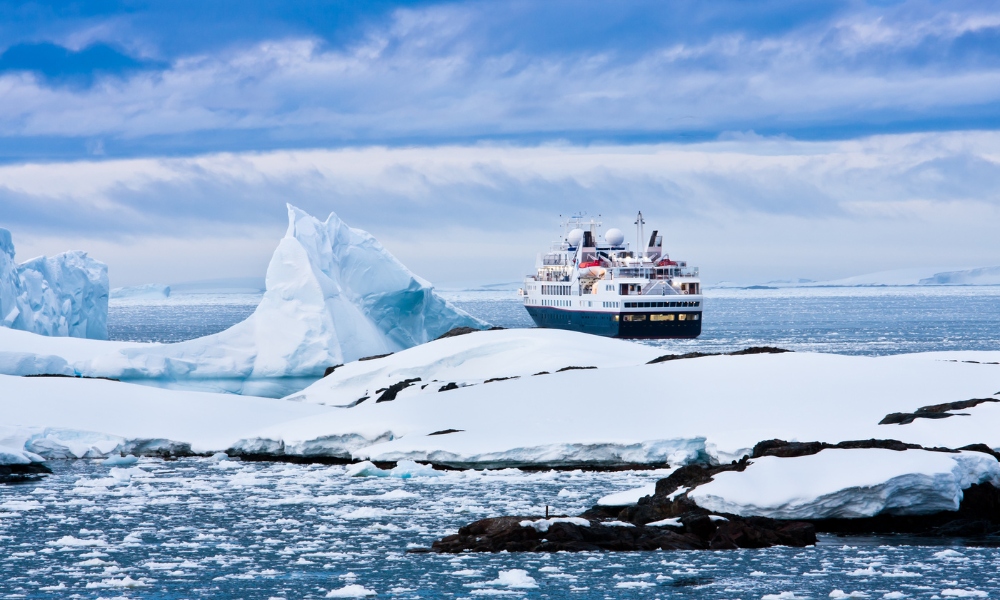 sustainable polar travel
Supporting Local Food Systems
In Arctic regions where people live year-round, food choices matter. Transporting imported food to remote areas creates a high carbon footprint. Eating locally sourced meals can be one of the most effective ways to reduce your impact.
In places like Greenland, Indigenous communities rely on regulated subsistence hunting that is legally protected and carefully managed. Local meats often carry a lower environmental cost than imported alternatives. While personal comfort levels differ, choosing locally produced food supports community livelihoods and reduces transport emissions.
This approach aligns with broader trends in sustainable travel, similar to choosing eco-lodges in Costa Rica or wellness retreats that prioritize local sourcing.
Packing With Intention
What you bring with you can influence both your footprint and the local economy. Renting cold-weather gear at your destination reduces luggage weight and supports local businesses. It also minimizes the need for purchasing items that may only be used once.
Beyond standard cold-weather clothing, practical preparation matters. Dry air, reflective sunlight, and long exposure to extreme conditions require thoughtful packing. High-SPF sunscreen, hydration tools, and basic medical supplies are essential in polar environments.
If you plan extended stays or remote excursions, consider lightweight comfort items that reduce reliance on disposable products.
Timing Your Visit Thoughtfully
Nature operates on its own schedule, especially in polar regions. Wildlife migrations, seasonal light cycles, and environmental conditions vary dramatically throughout the year. Visiting at the wrong time can lead to disappointment and unnecessary pressure on sensitive habitats.
Research seasonal patterns before you book. Aligning your travel plans with natural rhythms not only improves your experience but also reduces disruption. This mindset mirrors responsible adventure travel elsewhere, such as hiking in the Dolomites during appropriate seasons or planning Arctic cruises outside peak wildlife stress periods.
Travel Beyond the Trend
Polar destinations are often framed as bucket-list experiences, but they deserve more thoughtful consideration than trend-driven travel. Whether your interests include adventure travel, wellness retreats, or nature-focused journeys, the principles remain the same: slow down, observe carefully, and prioritize long-term preservation over short-term spectacle.
A More Conscious Way Forward
Visiting Antarctica or the Arctic can be deeply meaningful when done responsibly. These landscapes offer rare perspectives on the planet’s beauty and vulnerability. By making careful choices about transport, food, wildlife interaction, and timing, you help protect environments that cannot easily recover from damage.
Sustainable travel is not about restriction. It is about awareness. When you treat polar regions with the respect they demand, you ensure that these extraordinary places remain accessible—not just for future travelers, but for the ecosystems and communities that depend on them.