Seattle Boston Halifax Leading the Waterfront Revival
 By
By  The North America
Travel in 2026 is shifting in a noticeable way. Instead of chasing long flights or complicated international routes, many travelers are rediscovering coastal cities closer to home. Across North America, several historic ports are going through what many planners describe as 2026 urban revitalization. Old docks and industrial piers are being redesigned into modern waterfront districts filled with parks, walking trails, and cultural spaces.
For you as a traveler, this means something interesting: the chance to explore revitalized North American waterfronts to visit in 2026 for a luxury staycation without dealing with long travel logistics. Cities like Seattle, Boston, and Halifax are leading this transformation. Their coastlines now combine eco-parks, upgraded infrastructure, and thriving food scenes. Together they represent what many are calling a “Waterfront Renaissance.”
Why Waterfront Cities Are Rising Again
For decades, many North American waterfronts were dominated by shipping activity. Large cargo ports pushed public spaces away from the shoreline. Over the past few years, however, several cities have begun reclaiming these areas for visitors and residents.
The result is a new generation of North American piers designed for both tourism and sustainability. Instead of warehouses and industrial yards, you now find waterfront promenades, open green spaces, and carefully designed public areas that connect cities back to the sea.
These modern waterfront districts often include:
- Eco-park waterfronts designed with sustainability in mind
- Luxury seafood districts highlighting regional cuisine
- 5G-enabled travel infrastructure across public spaces
- Harborwalk promenades connecting multiple neighborhoods
This mix of urban design and coastal scenery is helping drive a wave of domestic coastal vacations, particularly in 2026.
Seattle’s Waterfront Reinvented
The Seattle waterfront 2026 project is one of the most ambitious shoreline transformations in North America. After years of redevelopment, the city has reopened large sections of its downtown coastline to pedestrians, green spaces, and public art.
At the center of this change is the Seattle Overlook Walk 2026, an elevated pedestrian park connecting Pike Place Market directly to the waterfront. For you, this means you can move easily from the city’s most famous market to the shoreline without navigating traffic-heavy streets.
The waterfront park itself stretches across more than 20 acres, with landscaped paths, viewing platforms, and open seating areas overlooking the Salish Sea. One highlight is the “Salish Steps,” where visitors often pause to watch ferries and cargo ships glide across the water.
Seattle’s waterfront is also preparing for major international events. As the city gets ready for the Seattle FIFA 2026 fan hubs, these new public spaces will host gatherings and cultural programming linked to the tournament.
Technology plays a role here too. Much of the waterfront operates as a 5G-enabled travel zone, making navigation, streaming, and digital guides easier for visitors exploring the district.
Halifax and the Maritime Renaissance
While Seattle leans toward innovation and design, Halifax offers a different type of waterfront experience. The Canadian port city is in the middle of what many observers call the Halifax maritime renaissance, blending historic maritime culture with sustainable tourism development.
The main attraction is the Halifax Harbourwalk, a 4.4-kilometer boardwalk running along the harbor. In recent years, the city has expanded the area with new public spaces known as Halifax pier eco-parks. These green zones combine coastal landscaping with research initiatives focused on ocean health.
For travelers interested in Halifax luxury travel, the harborfront has become particularly appealing. Boutique hotels, waterfront restaurants, and local markets now sit alongside traditional fishing docks.
You can spend your day walking along the boardwalk, relaxing in waterfront hammocks, or exploring small galleries and craft shops. By evening, many visitors head toward the harbor’s growing luxury seafood districts, where lobster and scallops often arrive straight from nearby fishing grounds.
Halifax’s approach to maritime tourism focuses on sustainability and authenticity, making it especially attractive if you enjoy slower travel experiences connected to local culture.
Boston District
Boston’s Seaport and Harborwalk Transformation
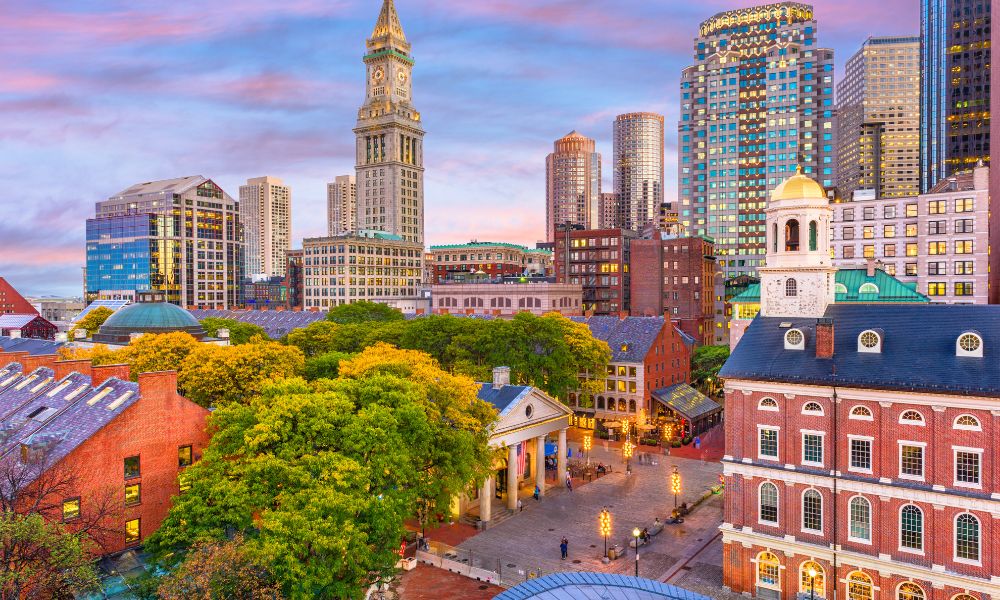
Boston has always had a strong relationship with the ocean, but the South Boston waterfront has changed dramatically over the past decade. What was once a largely industrial port is now a lively urban district filled with parks, art installations, and modern hotels.
The famous Boston harbor walks have expanded through the Seaport District, linking the waterfront with cultural venues and public spaces. Along the route, you will find observation decks, floating docks, and landscaped areas designed to handle both rising sea levels and recreational use.
One major change is the introduction of Boston Seaport 5G transit corridors. These highly connected transportation routes link waterfront hotels with museums, restaurants, and nearby parks. For travelers, this makes the district easy to navigate while supporting Boston’s growing reputation for technology and innovation.
Because of these developments, the Seaport has also become a strong option for luxury harbor stays in the US, offering modern waterfront hotels within walking distance of restaurants and harbor views.
Choosing Your Waterfront Experience
You might wonder which city offers the best waterfront experience in 2026. The answer often depends on what type of travel atmosphere you prefer.
Seattle vs Halifax: Best infrastructure-led waterfront destinations in 2026 is a common comparison. Seattle stands out for its architectural design, technology integration, and large-scale urban planning. Halifax offers something quieter, with a strong maritime identity and sustainability-driven development.
Boston sits somewhere in between. Its waterfront mixes historic maritime heritage with modern urban design, making it a balanced destination for travelers interested in both culture and innovation.
Conclusion
Across North America, waterfronts are becoming some of the most exciting places to travel again. Cities that once turned their backs on the sea are now rebuilding those spaces with parks, pedestrian paths, and vibrant food districts.
For you, that means new ways to experience coastal cities without complicated travel plans. From the scenic Seattle waterfront 2026 redevelopment to the sustainable harborfront in Halifax and the tech-forward Boston Seaport, these destinations show how modern cities are reconnecting with the ocean.
When you plan your next trip, it might not require crossing continents. Sometimes the most compelling journeys happen where the city meets the water, and experiencing the waterfront renaissance in Seattle Boston and Halifax is quickly becoming one of the defining travel stories of 2026.