Things to Know Before Visiting Japan Travel Guide
 By
By  japan travel guide
Planning a trip to Japan right now feels a little different than it used to. If you’ve been dreaming about it for years, you’ll still get that magic—the neon buzz of Tokyo, the quiet temple mornings in Kyoto, and the smell of grilled yakitori drifting through alleyways. But here’s the thing: Japan travel in 2026 comes with a few new rules, costs, and cultural shifts you’ll want to understand before you land.
Let’s walk through it like a seasoned traveler would—no fluff, just what actually matters when you visit Japan in 2026.
Japan Is Managing Crowds More Actively Now
You’ll notice this almost immediately. Popular spots feel more controlled, more structured. That’s intentional.
Japan has introduced a Japan dual pricing system in many heritage locations. As a visitor, you may pay slightly more than locals at temples, castles, and museums. It’s not about exclusion—it’s about preservation. These places are dealing with record tourism, and the extra revenue goes straight into maintaining them.
If anything, it’s a reminder: you’re stepping into spaces that have existed for centuries. Treat them like it.
Mount Fuji Isn’t a Free-for-All Anymore
If your Japan itinerary includes climbing Mount Fuji, plan ahead—seriously. The Mount Fuji entry fees for 2026 are now fixed, and more importantly, there’s a daily cap on climbers. You can’t just show up and start hiking. You’ll need to reserve your slot online before arriving.
It actually makes the experience better. Less chaos, fewer crowds, and a more meaningful climb. But skip the booking, and you’re not going up.
Digital Payments Are Taking Over Fast
Japan used to be cash-heavy. Not anymore.
With the Suica code payment update, mobile payments are now smooth and widely accepted. You’ll find yourself tapping your phone at train gates, vending machines, and even small shops.
Still, don’t ditch cash completely. Some traditional spots—especially in Kyoto tourism areas—still prefer it. It’s a mix. You’ll adjust quickly.
Luggage Rules on Trains Are Strict
If you’re picturing hopping on a Shinkansen with big suitcases, slow down for a second.
The Shinkansen baggage rules are now enforced properly. Oversized luggage? You need a reserved space. No reservation means a fine—and possibly nowhere to keep your bag.
Travel light if you can. Or ship your luggage ahead. It’s surprisingly common in Japan, and honestly, it makes train travel feel effortless.
Accommodation Costs Have Quietly Increased
This one catches people off guard.
There’s now a clearer structure around the Tokyo hotel tax 2026 and similar systems in Kyoto. The more premium your stay, the higher the tax. In some cases, luxury stays can carry a noticeable extra charge per night.
It’s not dramatic, but it adds up—especially if you’re planning a longer stay. Factor it into your Budget travel planning in Japan early.
The Japan Rail Pass Isn’t Always Worth It Anymore
A few years ago, everyone recommended the Japan rail pass. Now? Not always. Prices have increased significantly. Unless your Japan itinerary includes multiple long-distance trips—think Tokyo to Hiroshima and back—it may not be the best value.
Sometimes, individual tickets or regional passes make more sense. Run the math before buying. It’s no longer a default decision.
There’s More to Japan Than the Usual Stops
Tokyo and Kyoto are incredible. No doubt. But if you really want to understand Japan in 2026, look beyond them. There’s a quiet shift happening—travelers are spreading out.
Places like Kanazawa are gaining attention, especially with Ishikawa recovery travel efforts. Visiting areas like Kanazawa gold leaf workshops isn’t just interesting—it directly supports local communities rebuilding after recent challenges. Plus, fewer crowds. Better conversations. A slower, more personal experience.
Entry Processes Are Smoother—If You Prepare
Japan entry rules are straightforward, but preparation matters.
Use the Visit Japan Web platform before you travel. Fill everything out in advance. When you land, you’ll glide through immigration while others are stuck filling out forms.
Small step. Big difference.
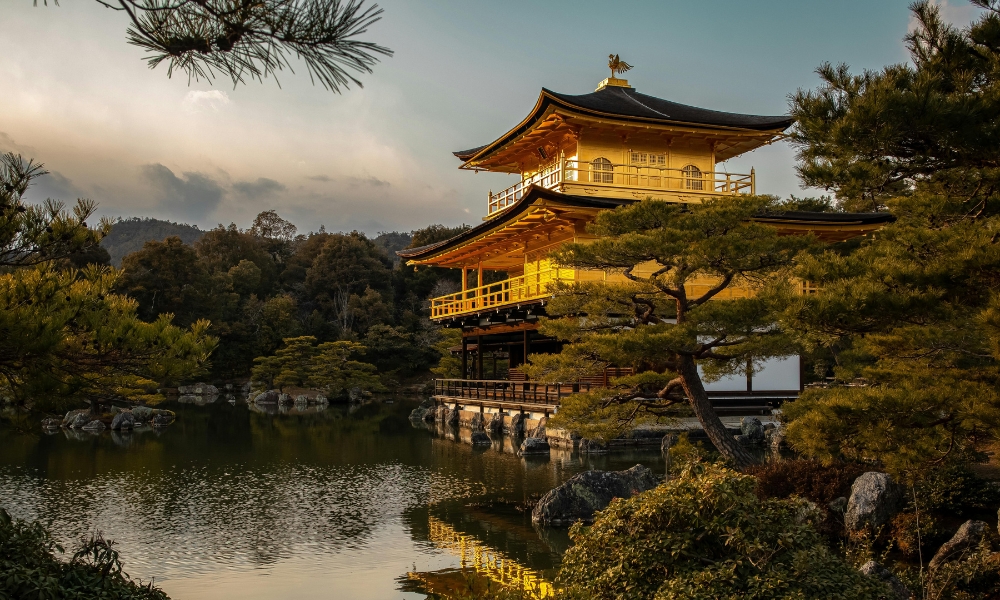
kyoto tourism
Etiquette Still Matters More Than Anything
You can get everything else right, but this is what really defines your experience. Japanese etiquette isn’t complicated—but it’s deeply respected.
Keep your voice low on trains. Don’t talk loudly on calls. Use trays when paying. Be mindful in shared spaces.
You’ll feel the difference instantly. Japan runs on quiet respect, and once you tune into that rhythm, everything flows better.
Quick Tips Before You Go
- Travel during shoulder seasons to avoid crowds and peak pricing
- Book Mount Fuji climbs and popular attractions in advance
- Pack lighter to avoid Shinkansen baggage issues
- Use mobile payments but keep some cash handy
- Double-check if a Japan rail pass actually saves you money
- Explore beyond Tokyo and Kyoto for a more balanced trip
Conclusion
Japan in 2026 feels more intentional. Less chaotic tourism, more thoughtful travel.
Yes, there are new systems—pricing changes, digital updates, and entry rules. But once you understand them, the country opens up in the best way possible. Cleaner experiences. Smoother movement. Deeper connections.
And that’s really what makes a trip memorable. You won’t just visit Japan—you’ll understand how it works, how it feels, and why it stays with people long after they leave.