Why Jagodzianki Polish Bun is Worth Traveling For
 By
By 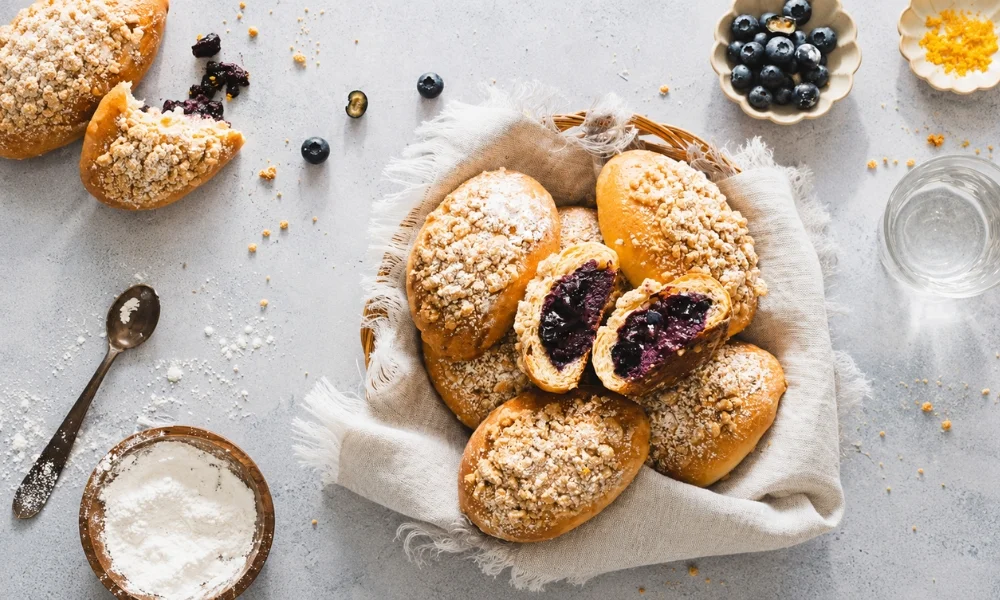
Jagodzianki Polish bun
The jagodzianki, a Polish bun, is one of those foods that makes travelers understand a country faster than any museum audio guide ever could. It’s soft. It’s messy. It stains your fingers purple. And during Poland’s short summer bilberry season, it becomes almost impossible to ignore.
Walk past a Polish bakery in Warsaw, Krakow, Gdansk, or a small town near the forest, and you’ll smell it before you see it. Warm yeast dough. Butter. Sugar crumble. A faint sharpness from berries bubbling inside the bun. That’s the moment you stop pretending you’re “just looking.”
Why this bun matters so much
The jagodzianka is a sweet yeast bun filled with wild bilberries. Not regular blueberries.
Bilberries are smaller, darker, and far more intense. They’re tart, fragrant, and slightly wild in flavor, the kind of berry that tastes like it came straight from a shaded forest floor. That’s because it often did.
In Poland, bilberry season usually runs from late June into August, and it brings a quiet kind of summer foraging fever. People head into forests with buckets, stain their hands purple, and bring home berries for traditional desserts, jams, dumplings, and these famous Polish blueberry buns. The result is more than a pastry. It’s Polish comfort food with a calendar.
The jagodzianki Polish bun experience
A proper jagodzianki Polish bun should feel generous. The dough needs to be soft and pillowy, but not too thick. The filling should be heavy enough that the bun feels slightly dangerous to bite into. One careless move, and the dark purple juice runs down your fingers.
That’s part of the charm. The best versions usually come topped with buttery crumble or a light glaze. Some bakeries keep the dough richer and more brioche-like. Others make it simpler, letting the bilberries do the talking. Either way, the center should taste jammy, tart, and bright. Here’s the catch: a stingy jagodzianka is a disappointment. If there’s too much dough and not enough berry, move on. Poland has better waiting for you.
A food holiday without the formal speech
The reason people call this a sweet bun so good it inspired a national holiday is easy to understand once summer begins. Jagodzianki season feels like an unofficial celebration. Queues form early. Bakeries sell out fast. Food lovers compare fillings, crumble texture, dough softness, and berry-to-bun ratios like they’re judging a pastry championship.
This is culinary tourism at its most delicious. No white tablecloth required. No complicated reservation. Just a paper bag, a warm bun, and a bench somewhere with good people-watching. Plus, the timing is perfect. Summer in Poland has long daylight, outdoor markets, leafy parks, and the kind of bakery windows that make walking slowly feel like a strategy.
Where to try them in Poland
If you’re building a Warsaw food guide around sweets, start early in the day. The best jagodzianki often disappear before afternoon, especially from smaller bakeries. Look for signs saying “jagodzianki” or “mamy jagodzianki,” which means they have them available.
Warsaw has polished artisan bakeries with beautifully shaped buns and serious berry filling. Krakow adds old-town charm, where a warm bun after wandering cobblestone streets feels almost too easy. In smaller towns, especially near forests, you may find simpler versions that taste closer to home baking. Even better, try more than one. That’s the only fair way to judge.
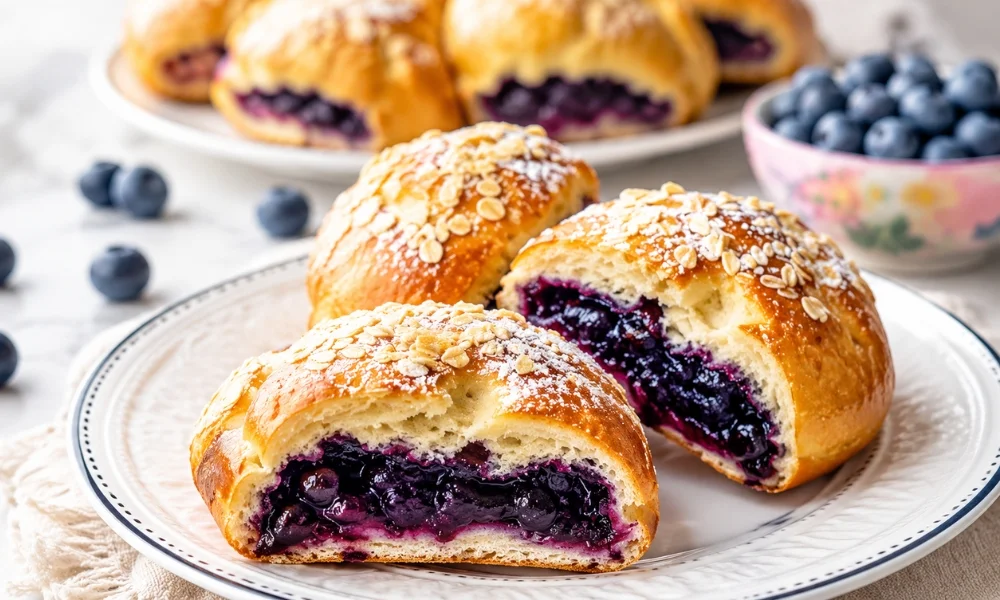 Bilberry filled buns
Quick Tips for chasing jagodzianki
- Go in the morning before bakeries sell out.
- Choose buns that feel heavy for their size.
- Look for wild bilberries, not regular blueberries.
- Expect purple fingers and maybe a stained shirt.
- Try both crumble-topped and glazed versions.
- Bring cash for small local bakeries.
- Don’t judge by looks alone; filling matters more.
- Pair with coffee, tea, or cold milk.
- Ask locals where they buy theirs.
- Avoid versions with barely any berry filling.
Can you make them at home?
Yes, though the real challenge is finding bilberries.
A traditional Polish jagodzianki recipe guide usually starts with yeast dough made from flour, warm milk, yeast, eggs, sugar, and butter. The dough rises until soft and airy, then gets filled with berries mixed with a little sugar and starch.
The starch matters.
It helps hold the juices together so the buns don’t burst open completely in the oven. A little leakage is normal. Too much means you’ve made a berry crime scene. Bake until golden, then finish with crumble or glaze. If you can’t find bilberries, use wild blueberries if available. Standard blueberries work in a pinch, but they won’t give the same sharp, forest-fruit intensity.
Why travelers should care
The Jagodzianki Polish Bun is not just another item on a bakery shelf. It gives you a taste of Poland’s seasonal rhythm. It connects summer foraging, family recipes, traditional Polish sweets, and modern sweet pastry trends in one sticky, warm package.
That’s what good culinary escapes should do.
They shouldn’t only feed you. They should place you somewhere. With jagodzianki, that place is a Polish summer morning, standing outside a bakery, waiting for the next tray to come out while the street smells like butter and berries.
Conclusion
The jagodzianki Polish bun earns its cult status because it’s simple in the best possible way: soft yeast dough, wild bilberries, a little sugar, and the kind of timing that makes it feel special. You can find European pastries all over the continent, but few carry such a strong sense of season and place. If you visit Poland between late June and August, don’t treat jagodzianki as an optional snack. Make time for them. Chase the bakery lines, visit the countryside stalls, compare the crumbles, and let your fingers get stained purple. Some foods are worth planning a trip around, and this sweet bun is one of them.