Why travelers are choosing Rio favela tours
 By
By 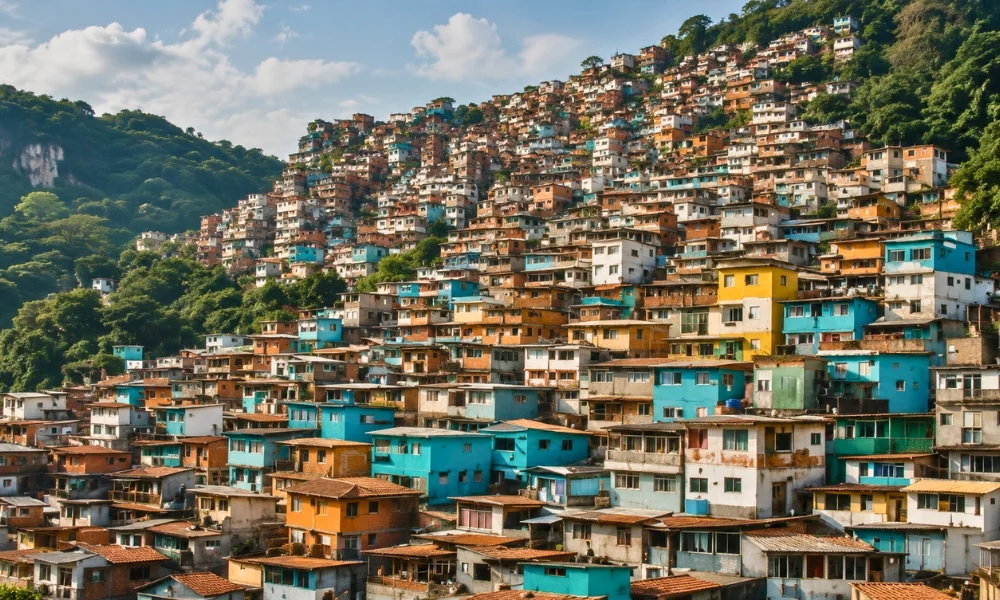
Rio favela tours
Rio favela tours can offer one of the most layered, eye-opening experiences in Rio de Janeiro, but they need to be approached with care. This isn’t the same as booking a beach day in Ipanema or riding the cable car up Sugarloaf Mountain. Favelas are living neighborhoods. People work there, raise families there, go to school there, open cafés there, play music there, and build community there.
So yes, visiting Rio favelas can be meaningful. But only if you go respectfully.
Here’s the thing: favelas are not tourist props. They’re not one single story either. Rio has more than 1,000 favela communities, each with its own rhythm, safety situation, history, and local identity.
What a favela visit actually feels like
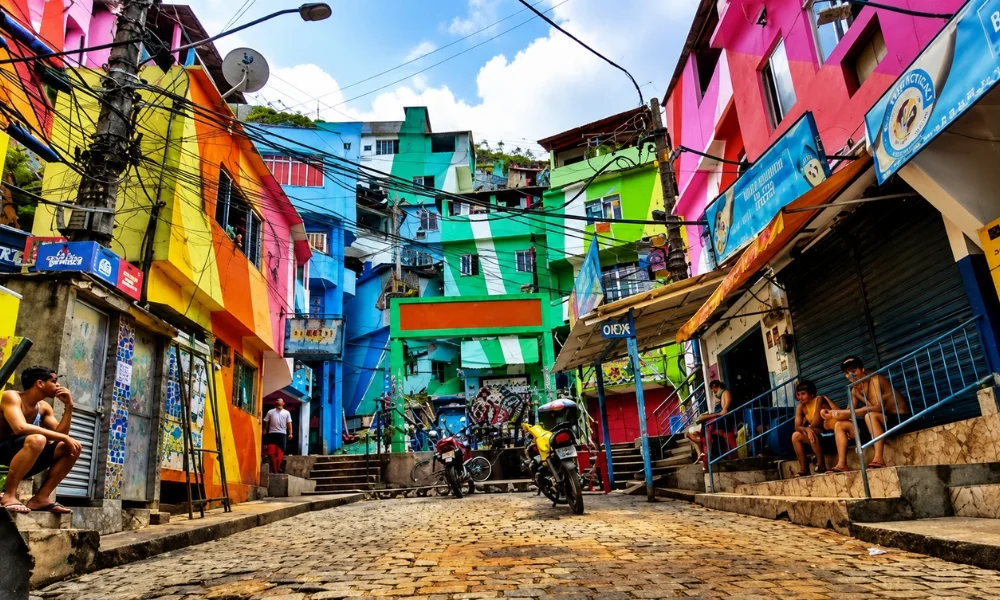
A good favela visit feels less like sightseeing and more like listening. In Rocinha, narrow streets climb steeply between homes, shops, hair salons, food stalls, and motorbikes buzzing past with impossible confidence. You’ll hear samba from one corner, construction from another, and someone calling across a balcony like the whole street is part of the conversation.
Vidigal has a different vibe.
It feels artsier and more open to visitors in parts, with steep lanes, rooftop bars, ocean views, and the kind of sunset that makes the city look unreal. A Vidigal favela guide may take visitors through community spaces, viewpoints, small businesses, or toward the trail for Two Brothers Mountain.
The best tours don’t flatten these places into poverty. They show daily life, resilience, creativity, and contradiction.
Rio favela tours should be resident-led
The most important rule for Rio favela tours is simple: book with local guides Rio residents actually trust. Resident-led tours keep money inside the community. They also give a more accurate view of the area because the guide understands local boundaries, security shifts, and social context.
This matters.
A guide from the community knows where visitors are welcome and where they shouldn’t wander. They know when a street feels normal and when it’s time to change route. They also know how to explain the neighborhood without turning it into a pity walk. That’s the difference between community tourism and poverty tourism.
One supports people. The other consumes hardship.
Is it safe to visit a favela in Rio?
The honest answer is it depends on where, when, and with whom. Some favelas have strong tourism infrastructure and receive visitors regularly. Rocinha and Vidigal are two of the best-known examples, and a Favela Rocinha tour or organized Vidigal walk can be safe when handled by reputable local guides.
But safety conditions can change.
Rio de Janeiro is a complex city, and some communities experience tension between police, local groups, and residents. That’s why independent wandering is not smart for most first-time visitors. Don’t treat a favela like a casual shortcut on Google Maps. Go with someone who knows the place.
How to book an ethical favela tour
When researching Rio favela tours, look beyond star ratings. Ask who owns the company. Ask whether the guides live in the community. Ask where the money goes. Ask whether the tour includes local businesses, artists, food vendors, or community projects. A responsible tour should feel educational, not voyeuristic.
It should explain history, housing, migration, public services, music, food, entrepreneurship, and social inequality with context. It should also avoid uncomfortable photo stops that treat people’s homes as scenery. Plus, a good guide will tell you when not to take photos. That’s a green flag.
Rio de Janeiro
Quick Tips for Visiting Rio Favelas
- Book a resident-led tour whenever possible.
- Avoid visiting alone on your first trip.
- Dress casually and keep jewelry minimal.
- Ask before taking photos of people or homes.
- Don’t bring large cameras or flashy gear.
- Carry small cash for local cafés or shops.
- Follow your guide’s route without drifting away.
- Skip tours that market poverty as entertainment.
- Leave if your guide says the mood has changed.
- Treat the area as a neighborhood, not an attraction.
What to expect on a Rocinha or Vidigal visit
Rocinha is often described as Brazil’s largest favela, and it can feel overwhelming at first. It’s dense, loud, busy, and full of movement. Shops spill onto the street. Mototaxis weave uphill. The smell of grilled meat, coffee, and fresh bread can hit you within a few steps.
A strong Rocinha tour usually focuses on scale, architecture, business activity, and community life. Vidigal feels more familiar to many travelers because parts of it connect easily with nightlife, hikes, hostels, and viewpoints. Still, it’s not a theme park. It’s a neighborhood with residents who deserve privacy. Both places can offer an authentic Rio experience. But only if visitors arrive with humility.
Why favela tourism is growing
Urban tourism has changed. Travelers want more than postcard landmarks. They want neighborhoods, food, music, street art, and conversations that explain how a city actually works.
That’s why Rio community tourism has gained attention. A thoughtful favela visit can show a side of Brazil travel that Copacabana alone never will. You may hear funk carioca from a doorway, watch kids play soccer on a steep patch of concrete, see murals painted across walls, or taste a home-style snack from a tiny local counter.
It’s vivid.
It’s real.
And it’s not simple.
The line between curiosity and respect
Here’s the catch.
Wanting an “authentic” experience does not give anyone permission to invade people’s privacy. Avoid photographing children. Don’t point cameras into homes. Don’t ask insensitive questions about violence, gangs, or poverty unless the guide opens that conversation in a respectful way.
Sustainable travel means thinking about impact. If your visit supports local income, respects privacy, and broadens understanding, it can be positive. If it turns hardship into content, it becomes harmful. The difference is behavior.
Conclusion
Rio favela tours can be one of the most meaningful parts of a trip to Rio de Janeiro when they’re planned with respect, safety, and local guidance. Favelas are not side attractions to the city; they are part of the city’s identity, culture, and daily life. Choose resident-led guides, follow local advice, support small businesses, and remember that every street belongs to someone’s normal life. Done well, a favela visit can deepen a traveler’s understanding of Rio. Done poorly, it becomes intrusive. The goal should be simple: listen more than you take, support more than you consume, and leave with a fuller, more honest view of the city.