How Fast Money Transfer Helps Travelers Abroad
 By
By 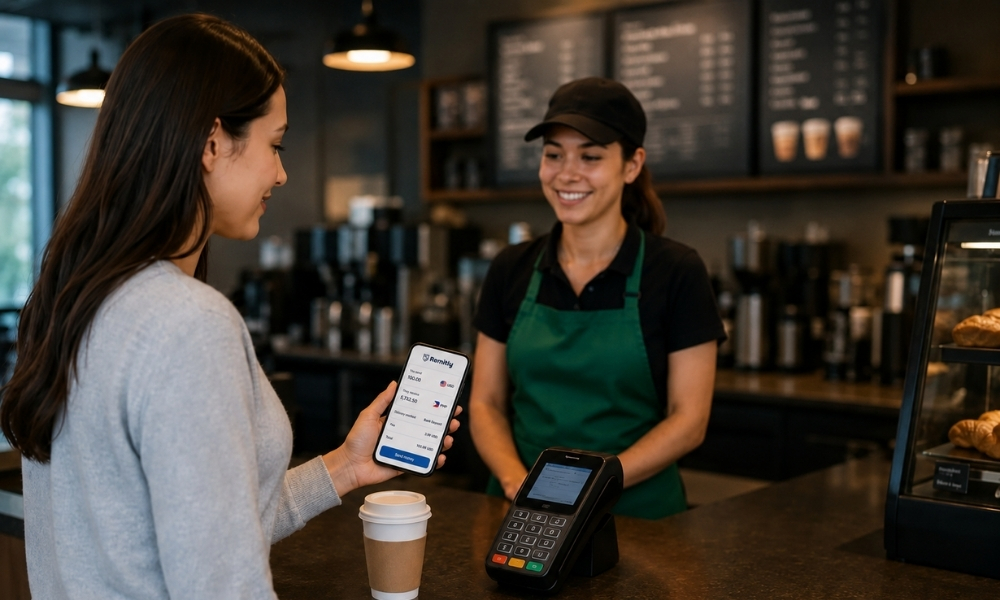 fast money transfer
Fast money transfer planning matters when you’re living out of a suitcase for months, working from cafés, changing countries often, and depending on cards that can get blocked at the worst possible time. One frozen debit card in a noisy airport or seaside coworking town can turn a good trip into a stressful scramble.
It happens fast. You’re ordering coffee, the card declines, the bank app demands verification, and your backup cash is in another bag. That’s why long-term travelers and digital nomads need more than a travel card. They need a financial safety setup that works across borders.
Why Fast Money Transfer Planning Matters
Travel money problems rarely arrive politely. They show up when Wi-Fi is weak, your bank’s support line is asleep, or you’re trying to pay a guesthouse owner in a language you barely speak.
A fast money transfer option gives you breathing room. It can help you send money to bank account details abroad, transfer money to digital wallet apps, or arrange cash pickup when cards fail. Services like Remitly support transfers to bank accounts, mobile wallets, and cash pickup locations, depending on the receiving country. Remitly also says its network reaches more than 170 countries.
Keep Two Banking Routes Open
The first rule is simple: don’t rely on one bank. Use one main account for savings and regular income. Keep a second card from a different bank or fintech account in a separate bag. Not in the same wallet. Not in the same pouch. Separate.
Here’s the catch. If one card is lost, skimmed, frozen, or swallowed by an ATM, your second route keeps the trip moving. This matters in cities where cash is still useful for markets, local buses, small cafés, and family-run stays. The smell of street noodles is lovely. A declined card at the counter is not.
Emergency Contingency Plans for Lost Cards
Before you travel, set up an emergency travel funds transfer plan. Don’t wait until your card is already gone. Having a trusted channel for low-cost cross-border money transfers ensures you can quickly route emergency funds to a partner’s account or a local pickup point if your main card is compromised.
A good plan includes a trusted contact, a backup account, app access, identity documents saved securely, and a tested transfer method. Remitly says recipients can receive money through options such as a bank account, mobile wallet, cash pickup, mobile money, home delivery, or debit card deposit where available. Test your backup method once before a long trip, even with a small amount, so you know it works when pressure is high.
Streamlining Daily Travel Expenses
Daily spending is where money quietly leaks. Currency conversion fees, bad ATM choices, airport kiosks, and dynamic currency conversion can eat into your budget without feeling obvious. Dynamic currency conversion is when a shop or ATM offers to charge you in your home currency. It sounds helpful, but the exchange rate is often worse. Choose local currency when paying by card unless your bank specifically offers a better rate.
Relying on the official Remitly money transfer service lets digital nomads send money to mobile wallets or local banks across 170+ countries with guaranteed delivery times. Remitly’s app page says users can see the exact exchange rate, fees, and estimated delivery time before sending, which helps travelers compare costs instead of guessing.
Use Mobile Wallets Carefully
Mobile wallet money transfer tools are useful, especially in countries where wallet payments are common. They can help with rides, groceries, cafés, and local services. But don’t overload one wallet.
Keep enough for daily use, not your whole travel budget. Treat mobile wallets like a working pocket, not a vault. If your phone is lost or stolen, you’ll be glad your full travel fund is elsewhere. A layered system works better: main bank, backup bank, small wallet balance, emergency transfer option, and some physical cash stored safely.
Avoid Airport Currency Traps
Airport exchange counters are convenient. That’s the problem. When you’re tired, carrying bags, and hearing arrival announcements echo through the terminal, it’s tempting to exchange a large amount right away. But airport rates can be poor, and service fees can stack up.
Use enough cash for the first taxi or meal, then find a better option in the city. An instant cash pickup app can help when you need local currency but don’t want to depend on a risky ATM or poor airport exchange. Just check pickup locations, operating hours, ID requirements, and fees before sending.
 global digital money transfers
Quick Tips for Financial Safety
Use these habits before and during long-term travel:
- Keep cards from two different banks.
- Store backup cards separately from your wallet.
- Save emergency transfer apps before departure.
- Keep a small amount of local cash for transport and food.
- Choose local currency at card terminals.
- Use a transparent exchange rate app before big transfers.
- Avoid public Wi-Fi for banking.
- Set card alerts for every transaction.
- Keep passport and visa scans in secure storage.
Small systems prevent big panic.
Lock Down Your Digital Access
A strong money setup is not only about transfers. It’s also about access.
Use two-factor authentication, but make sure it works abroad. Update phone numbers before leaving. Carry backup codes safely. Use a VPN on public Wi-Fi. Keep banking apps updated, and don’t ignore bank travel notices if your provider still uses them.
For digital nomads, this is as important as packing chargers. One failed login can delay rent, coworking payments, or visa-related expenses.
Conclusion
Fast money transfer planning gives long-term travelers and digital nomads more control when cards fail, exchange rates shift, or emergency costs appear abroad. The goal is not to carry more cash or depend on one app. It’s to build backup routes before you need them. Keep two banking options, set up emergency transfers, use mobile wallets in small amounts, avoid bad exchange counters, and check fees before moving money. With the right system, global digital money transfers become a safety net, not a last-minute panic button, and you can focus on the good part of travel: the markets, the cafés, the sea air, the workdays that end somewhere new.