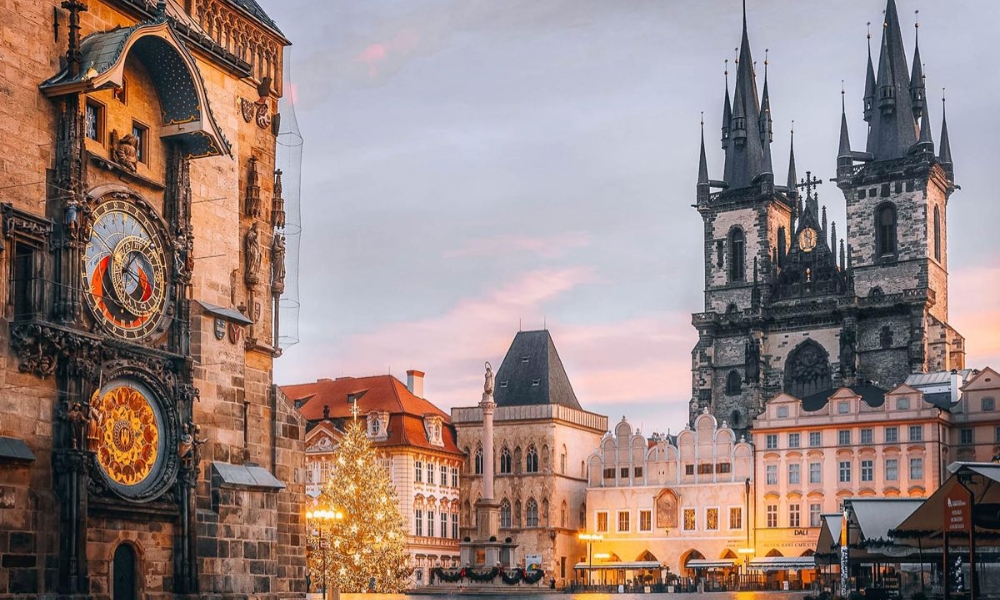
Premium Comfort in Transatlantic Business Travel
 By
By 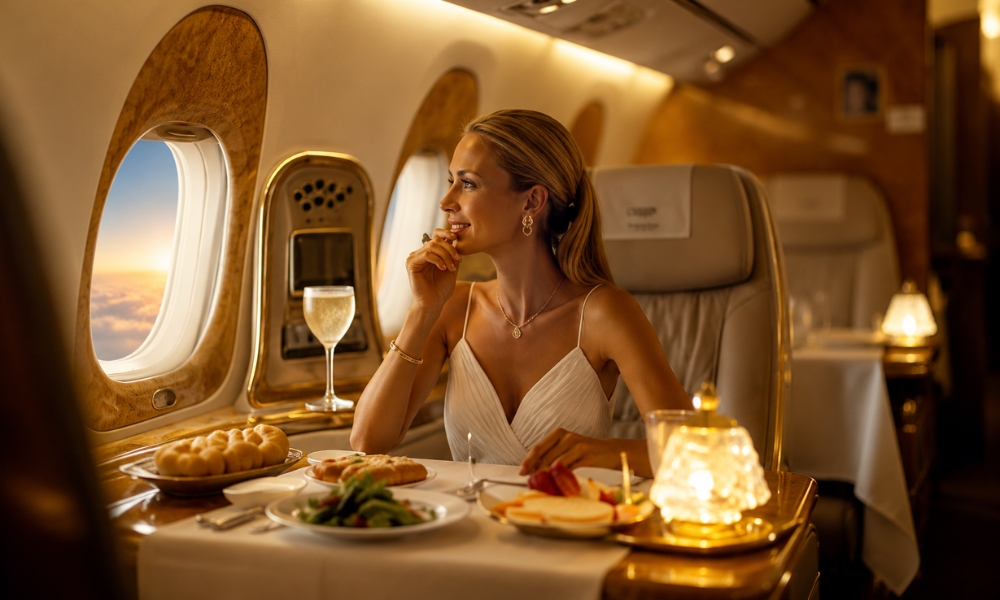 transatlantic business travel
Transatlantic business travel no longer has to mean landing tired, rushing into a meeting, and flying home before the city has even made sense. More executives, founders, consultants, and remote leaders now build extra time into Europe trips, turning work travel into something sharper, calmer, and more rewarding.
That’s the rise of executive bleisure. The idea is simple. Fly across the Atlantic for meetings, conferences, or client work, then extend the trip by a few days for leisure. Maybe that means a weekend in Rome after a board review, a quick train to Florence after Milan meetings, or a coastal escape once the laptop closes.
Why Executive Bleisure Is Growing
Work has changed. Travel has changed too. Senior professionals now expect flights, hotels, and itineraries to support both productivity and recovery. A red-eye flight followed by three packed meetings can still happen, but it doesn’t feel sustainable anymore.
That’s where transatlantic business travel has become more intentional. Instead of treating the flight as lost time, travelers now use premium cabins, onboard Wi-Fi, airport lounges, flexible fares, and smarter scheduling to protect energy. ITA Airways operates long-haul aircraft such as the Airbus A330neo and A350-900 on intercontinental routes, with cabin layouts across business, Premium Economy, and Economy on some aircraft. That matters on a route where comfort can decide whether the first day in Europe feels productive or painful.
Transatlantic Business Travel and Better Cabin Comfort
A good long-haul flight can change the whole mood of a business trip. The cabin gets quiet. Dinner service starts. The lights soften. Somewhere above the Atlantic, the workday finally stops feeling chaotic. For executives who need to arrive ready for a morning meeting, better rest is not a luxury detail. It’s part of the plan. Upgrading your long-haul transit through premium transatlantic flight offers gives you access to lie-flat seats and undisturbed work hours above the clouds.
ITA Airways says its long-haul business class services on Airbus A350 and A330neo aircraft include interior amenities designed for longer routes. For travelers comparing transatlantic flights’ business class options, that kind of setup helps turn overnight travel into either focused work time or actual rest.
Premium economy transatlantic seats also make sense for travelers who want more comfort without moving fully into business class. Extra space, quieter positioning, and better meal service can make the difference on an overnight leg.
Maximizing Workday Productivity at 30000 Feet
Not every executive wants to sleep immediately. Some use the first half of the flight to clear emails, review decks, edit proposals, or handle approvals before Europe wakes up. A long-haul cabin can become a surprisingly useful workspace when it offers enough space, charging, privacy, and quiet.
Here’s the catch. Working on a plane only helps if the schedule around it is realistic. Booking a premium seat and then stuffing the first day with calls defeats the point. The best bleisure itineraries protect recovery time on arrival, especially after overnight US to Europe business flights.
A smart flow looks like this: work for two hours after takeoff, eat, sleep, land, check in, freshen up, and schedule meetings from late morning onward. It’s not always possible, but when it works, it’s a much smoother way to travel.
Unlocking Long-Haul Perks
Loyalty matters more when business travel becomes frequent. Enrolling in frequent flyer Volare rewards ensures every transatlantic leg contributes to lounge access and seat upgrades.
One important update: ITA Airways’ Volare loyalty program is transitioning, with Miles & More set to become the airline’s official frequent flyer program from April 1, 2026. Travelers should check the latest program rules before booking, especially if status, upgrades, lounge access, or points earning matter to the trip.
Flexible airline booking US options also matter. Executive calendars move. Meetings shift. Clients reschedule. A slightly more flexible fare can save stress later, especially when a personal weekend is attached to the same itinerary.
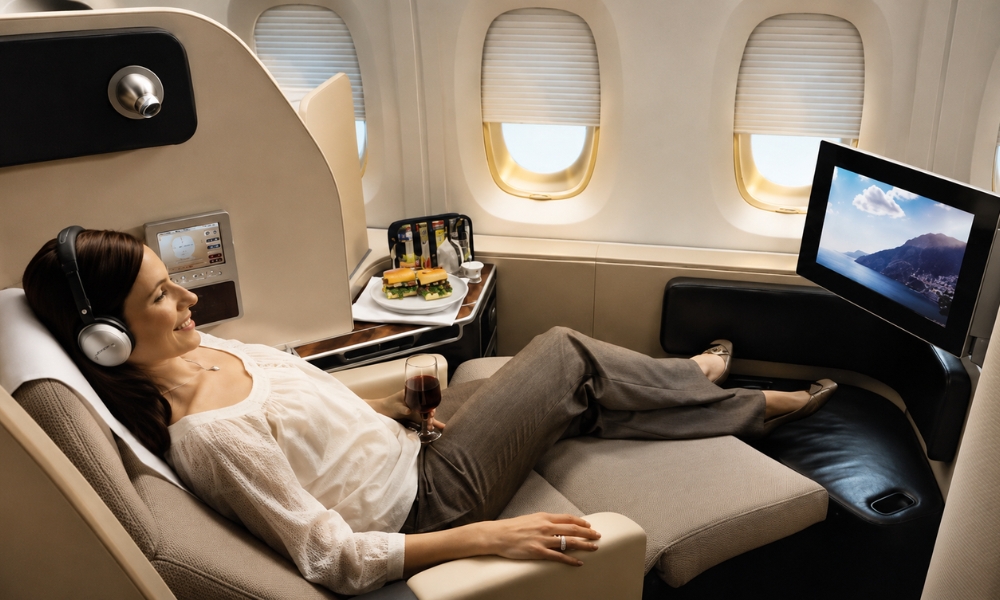 transatlantic flights business class
Where Bleisure Feels Best in Europe
Rome works beautifully for bleisure because it doesn’t need much effort to feel rewarding. Step outside after meetings and the city hits fast: espresso at the counter, scooters cutting through narrow streets, warm stone under evening light, and plates of cacio e pepe landing at crowded trattorias. Milan has a different rhythm.
It’s sharper, sleeker, and more businesslike. But after work, the city softens into aperitivo bars, design stores, canal-side dinners, and quick train links to Lake Como or Turin. That’s why it suits executives who want business efficiency and elegant downtime. Paris, London, Frankfurt, Madrid, and Amsterdam also work well, but Italy has a specific advantage for bleisure: the handoff from meeting room to leisure mode feels almost instant.
Quick Tips for Executive Bleisure Planning
A good bleisure trip needs structure, not overplanning.
- Group key meetings across two or three tight workdays.
- Book overnight flights when sleep timing works in your favor.
- Choose premium economy or business class for long-haul comfort.
- Keep the first arrival day lighter if possible.
- Use flexible fares when calendars are likely to shift.
- Add one slow morning before returning home.
- Keep leisure plans close to the business city to avoid travel fatigue.
- Pack one outfit that works for dinner and informal client drinks.
Small choices matter. Especially on long routes.
Conclusion
Transatlantic business travel is being redefined by executives who no longer want work trips to feel like endurance tests. Better cabins, smarter loyalty programs, flexible booking, and stronger US to Europe business flights now make it easier to blend meetings with meaningful downtime. The best executive bleisure trips don’t try to squeeze a holiday into every free hour. They use premium travel comfort to protect energy, then add just enough local experience to make the journey feel worthwhile. Done well, the flight becomes part of the strategy, not just the distance between two obligations.