Multicity Airfare for South America Trips
 By
By 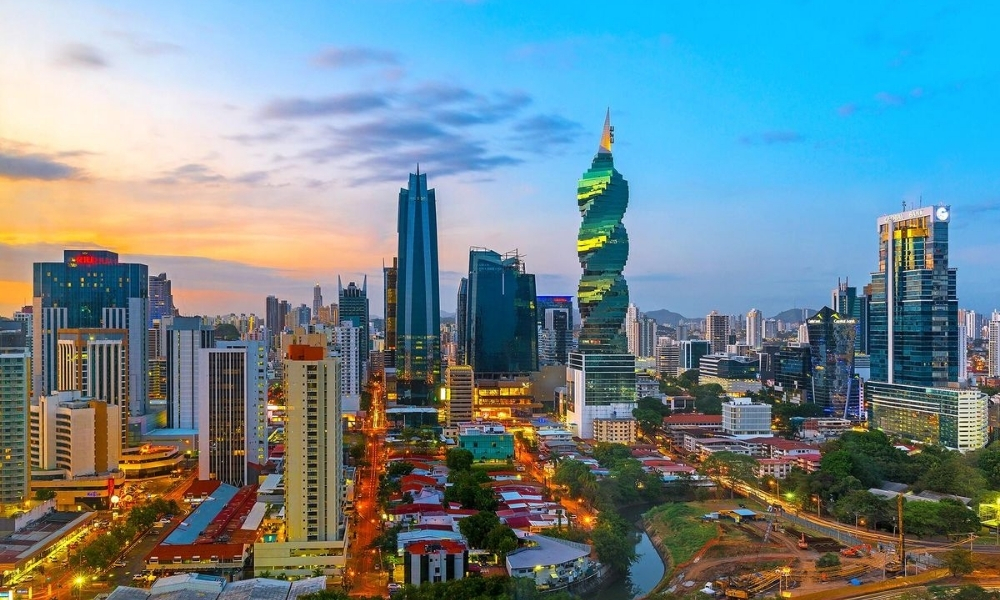 Multicity airfare
Multicity airfare is one of the smartest ways to plan South America without wasting money on backtracking. If you fly into Bogotá, Lima, or São Paulo and then force yourself to return to the same city for your flight home, you may lose a full day just undoing your own route.
That’s the catch. South America is huge. The distances are serious, the landscapes change fast, and a round-trip ticket can quietly trap you into inefficient travel. An open-jaw trip fixes that by letting you arrive in one city and leave from another.
Why Multicity Airfare Works Better Here
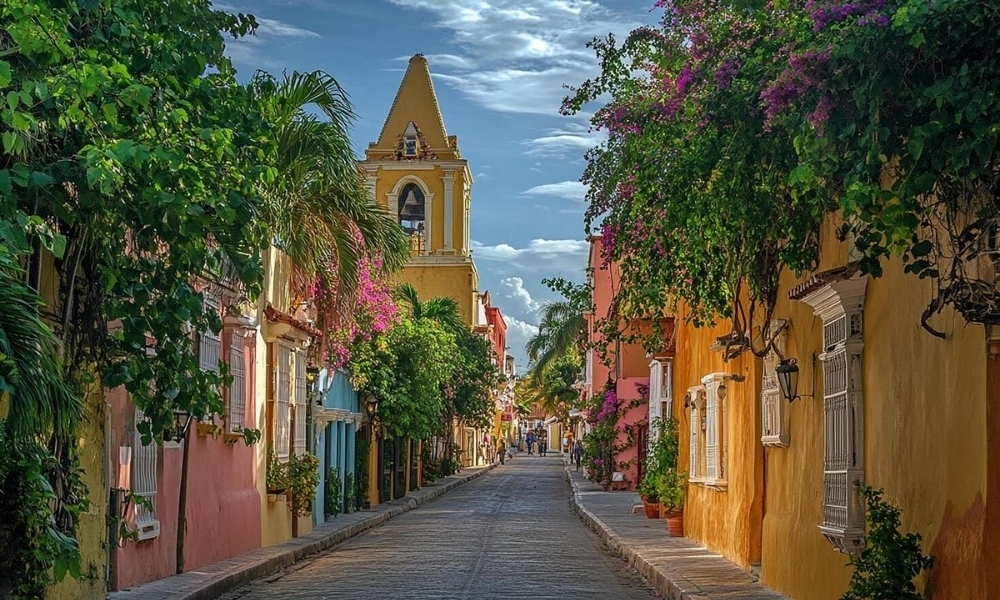
South America rewards one-way movement. You might start with coffee and street murals in Bogotá. Move south toward Lima’s coastal food scene, continue to Santiago for wine country and mountain views, and then finish with Patagonia or Buenos Aires.
That trip has flair.
A standard round-trip ticket breaks it. It asks you to go back to your starting point, often through extra connections, added baggage checks, and one more airport day you didn’t need. Multicity airfare gives you a cleaner structure. It lets the route follow the continent instead of forcing the continent to fit a fare rule.
Mapping Out Your Multi-City Route
Start with the shape of the trip, not the cheapest random fare. A good South America route usually moves north to south, west to east, or one coastline at a time. For example, you could fly from Miami to Bogotá, travel onward through Peru or Chile, then return home from Santiago. Or you could start in Lima, continue to Cusco, connect to Chile, and fly back from São Paulo or Buenos Aires.
Taking advantage of promotional US departure flight rates allows you to schedule open-jaw flights out of Miami or New York without added multi-city fees. LATAM’s US flight deals page highlights offers from major US gateways to Latin America, and its South America destination pages list routes from Miami to destinations across Argentina, Brazil, Chile, Ecuador, Peru, Uruguay, and more.
Choose Entry and Exit Hubs Carefully
The best open-jaw flight tickets usually begin and end in major hubs. Bogotá, Lima, Santiago, São Paulo, Rio de Janeiro, Buenos Aires, and Quito can all work depending on the trip style. For cheap flights from Miami to Bogota, Colombia can be a practical northern entry point. For flight specials to Chile, Santiago often works well as a southern exit.
The goal is simple: don’t cross the same ground twice. If you want Andes, Amazon, wine country, and coast, plan the route in a line. If you want Brazil plus Argentina, keep the trip regional instead of trying to squeeze in Peru and Chile too. South America looks tempting on a map, but flight times can punish overplanning.
Avoiding Unnecessary Layover Backtracking
Backtracking often happens when travelers book separate one-way tickets too quickly. One cheap leg turns into two bad connections. Then baggage rules change. Then a short regional flight becomes expensive because checked bags aren’t included.
Structuring your itinerary around direct flights to South American hubs ensures smooth transit times while unlocking better regional baggage options. LATAM says travelers from the US can compare fare options from cities such as Miami, New York, and Los Angeles to Latin American destinations, including Santiago, Lima, São Paulo, and Bogotá, with connections throughout the region.
Use Layovers Like a Traveler Not a Victim
Airline layover hacks are not about chasing miserable airport marathons. They’re about using stopovers and longer connections wisely. If a route naturally connects through Lima, Santiago, or São Paulo, check whether a longer layover lets you see the city for a day or two. Sometimes a multi-city search is priced almost the same as a basic connection but gives you more actual travel.
Even better, you avoid the “airport blur” feeling, where every city becomes just another gate number. A smart layover can mean ceviche in Lima, late-night steak in Buenos Aires, or a slow coffee before heading onward.
Baggage Can Make or Break the Budget
South America packing is tricky because one route can include humid Amazon weather, high-altitude cold, coastal evenings, and windy Patagonia-style conditions.
So check the long-haul flight baggage allowance before booking. One common mistake is buying the cheapest fare without checking baggage across all legs. If your international ticket includes one allowance but your separate regional leg does not, you may pay extra again and again.
That’s where multicity airfare can help. A unified itinerary can make baggage rules easier to understand, though you should still verify every segment before paying.
 Planning south america
Quick Tips for Booking Smarter
Use these South America travel tips before locking in flights:
- Search flexible date airfare across a three-day window.
- Compare multi-city fares against two one-way tickets.
- Pick entry and exit hubs that follow a natural route.
- Avoid separate tickets with tight connections.
- Check baggage rules for every flight segment.
- Leave buffer time before long-haul return flights.
- Use major hubs for better schedules and fewer surprises.
- Don’t overpack the continent into one short trip.
A cheaper ticket is not always the better ticket.
When Multi-City Is Worth Paying Slightly More
Sometimes the open-jaw fare costs a little more than a basic round trip. That doesn’t mean it’s worse.
Add the hidden costs. One extra hotel night near the airport, a return domestic flight to the starting city, baggage fees, taxis, missed sightseeing time, and pure travel fatigue can make the “cheaper” ticket more expensive in real life.
Multicity airfare should be judged by total trip cost, not ticket price alone. If it saves a day and removes a pointless flight, it may be the better deal.
Conclusion
Multicity airfare is the smarter way to plan South America when your trip covers more than one region. Instead of forcing a round-trip route that sends you back to your starting city, build an open-jaw itinerary around logical entry and exit hubs. Use flexible dates, compare US departure deals, check baggage rules, and structure layovers so they help the trip instead of slowing it down. South America has too much texture to waste time repeating airports. Let Bogotá smell like coffee, Lima taste like citrus and sea salt, Santiago feel like mountains at sunset, and your route keep moving forward.