Save More on Europe With Shoulder Season Travel
 By
By 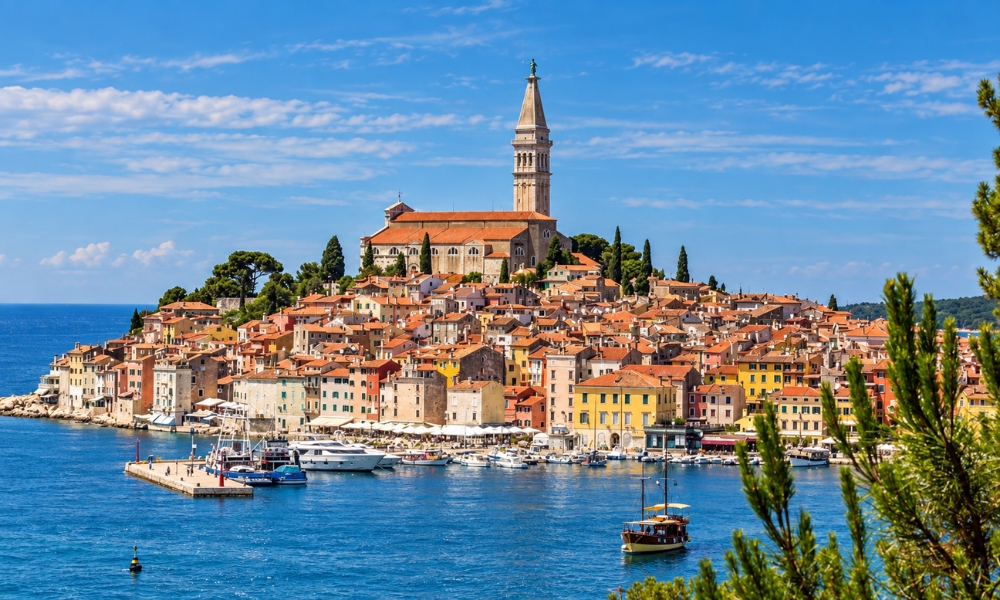 shoulder season travel
Shoulder season travel is becoming the smarter answer to an increasingly frustrating summer holiday problem. July and August can bring packed attractions, expensive rooms, crowded beaches, and temperatures that make afternoon sightseeing feel like endurance training. Shift that same trip into late September or October, though, and the experience can feel entirely different.
The streets quiet down. Restaurant tables become easier to find. Hotel rates often soften. Even better, many southern destinations still hold onto enough warmth for outdoor dining and coastal days. That’s the thinking behind “Super September.”
Why Shoulder Season Travel Feels Better
Peak summer has one obvious advantage: predictable holiday timing. Unfortunately, everyone else knows that too. Popular European cities can feel overwhelmed in August. Historic squares fill with tour groups, queues snake outside museums, and midday heat makes walking less appealing. Late September changes the rhythm.
In Tuscany, mornings can start cool and bright while vineyards turn gold around the edges. Andalusian evenings become comfortable enough for long dinners outdoors. Along the Croatian coast, you may still hear waves against the harbor walls without fighting for space at every café. This is why learning how to plan shoulder-season travel isn’t only about saving money. It’s about getting more from the place itself.
Shoulder Season Travel Can Stretch Your Budget
Affordable autumn vacation planning starts with demand. Once school holidays end and peak vacation traffic fades, airlines and hotels often have more inventory to sell. That can create better-value dates, especially for travelers who can leave midweek or avoid major events.
Late September flight deals can be particularly attractive on routes that were expensive during July and August. But don’t assume every autumn date is cheap.
Major festivals, conferences, sporting events, and fall foliage weekends can still push prices sharply higher. Always compare a few nearby dates rather than treating September or October as automatically discounted. Flexibility of three or four days can sometimes matter more than choosing an entirely different destination.
The Best Fall Shoulder Season Destinations
Southern Europe is an obvious starting point. Italy, Spain, Portugal, Greece, and parts of Croatia can stay pleasantly warm after peak summer. You still get café terraces and coastal scenery, but sightseeing becomes easier when temperatures cool.
Tuscany adds harvest-season energy. You’ll smell wood smoke in small villages, see grapes moving through vineyards, and find seasonal menus shifting toward mushrooms, squash, and richer pasta dishes. Andalusia works differently. Days can remain sunny while evenings lose the heavy summer heat. Seville, Granada, and Córdoba suddenly become far more walkable.
For North America, New England, Virginia’s Blue Ridge, and the Pacific Northwest offer another style of trip: crisp air, changing leaves, quieter roads, and small towns leaning fully into autumn. These fall shoulder season destinations are especially good for travelers who care more about atmosphere than beach weather.
How to Build a Smart Autumn Itinerary
A smart travel itinerary strategy should leave room for changing weather. That’s the biggest difference from high summer.
You may get five beautiful days and one rainy afternoon. Don’t build every day around outdoor plans. Mix scenic walks, food markets, museum visits, wine tastings, coastal drives, and indoor experiences so the trip still works if conditions shift.
Also, avoid overbooking. One of the best parts of shoulder season travel is flexibility. You don’t need to lock every lunch, museum, and transfer into a rigid schedule just because peak-season travelers do. Leave space to wander.
 how to plan shoulder season travel
Quick Tips for a Better Super September Trip
A few practical choices make late-autumn trips easier:
- Compare Tuesday-to-Thursday departures for better airfare options.
- Check local event calendars before assuming hotel rates will be lower.
- Pack layers rather than one heavy jacket.
- Bring a compact rain shell for unpredictable days.
- Book major attractions early, but leave smaller activities flexible.
- Choose accommodation near public transport if daylight hours are shorter.
- Check seasonal ferry, train, and attraction schedules before arrival.
- Keep one indoor backup plan for each destination.
Avoiding travel crowds in fall is easier when you also avoid creating an itinerary that depends on perfect weather.
When Should You Book?
For long-haul flights, start monitoring prices roughly two to three months before departure. That gives you enough time to understand the normal fare range instead of grabbing the first number that looks discounted. Hotels can often be booked a little later, especially outside major events.
Around six to eight weeks out is a useful window for boutique stays in popular European cities. At that point, you can often see whether post-summer pricing has actually softened. Excursions, rental cars, and smaller experiences can come later. That keeps your shoulder-season travel plan flexible while still protecting the important pieces.
Don’t Chase Savings Too Hard
Here’s the catch. The cheapest autumn trip isn’t always the best one. A coastal resort may be inexpensive because restaurants have already closed for the season. A mountain route may look beautiful online but face early snow. Ferry schedules can shrink after summer.
Check what remains open before booking purely on price. Off peak Europe travel tips should always start with seasonality, not discounts. Saving 30% doesn’t help if the experience you travelled for is unavailable.
Conclusion
Shoulder season travel works because it shifts the balance back toward the traveler. Late September and October can offer calmer streets, better hotel value, easier reservations, and weather that’s often far more comfortable for exploring than peak summer heat. The smartest approach is to stay flexible: compare nearby travel dates, check seasonal operating schedules, mix indoor and outdoor plans, and leave breathing room in the itinerary. “Super September” isn’t about finding a secret month nobody knows about. It’s about choosing a period when destinations can feel more relaxed, more local, and often much better value.